
In 2020, nearly 619 million adults globally suffered from low back discomfort. The World Health Organization forecasts this number to escalate to 843 million by 2050. This alarming trend underlines the critical need for safe, well-suited symptoms management and mobility solutions.
Local Chiropractor In Proctor
This article examines the professional application of chiropractic adjustments and physiotherapy techniques for alleviating discomfort, restoring mobility, and facilitating injury rehabilitation. It also explores the synergy between these techniques when a thorough clinical assessment deems their compatibility.
Every person’s rehabilitation journey is unique. A well-crafted plan must take into account several factors, including symptoms, medical history, physical limitations, health objectives, ease levels, and diagnostic results. Such a tailored strategy is far more well-suited than a generic treatment strategy.
Chiropractic treatment and rehabilitative therapy, or physiotherapy, are administered by licensed practitioners. Both disciplines rely on non-surgical, non-invasive methodologies. Chiropractic interventions typically concentrate on spinal and joint alignment, employing hands-on adjustments. By comparison, physiotherapy concentrates on improving physical function, muscular capacity, flexibility, stability, posture, and routine functioning.
The subsequent sections will elucidate how spinal adjustments, manual therapy, joint mobilization, and rehabilitation exercises may complement one another. The overarching aim is to deliver evidence-based care that improves functionality while respecting specific circumstances.
Those experiencing chronic symptoms, restricted mobility, symptoms post-surgery, or significant injuries are advised to consult a qualified healthcare practitioner-led for an assessment. A thorough evaluation is essential for determining the most appropriate treatment and identifying any underlying conditions requiring additional medical attention.
Using Chiropractic Adjustments And Physiotherapy Methods For Symptoms Relief And Mobility As Appropriate
Pain can manifest in the spine, joints, muscles, and hinder routine movement. Chiropractic adjustments and physiotherapy methods offer a dual strategy to manage discomfort and support mobility. This balanced strategy addresses interconnected needs, fostering a holistic approach to health.
How Chiropractic Treatment And Physiotherapy Work Together As Appropriate When Needed
Chiropractic adjustments employ hands-on approaches to align the spine and joints. These adjustments may strengthen joint mobility, reduce pressure, and alleviate discomfort that hampers functional activities.
Physiotherapy, on the other hand, focuses on active mobility. Treatments encompass strength training, flexibility exercises, balance work, and movement retraining. These techniques empower individuals to perform daily tasks with reduced pain and enhanced control.
Chiropractic treatment and physiotherapy target different aspects of musculoskeletal health. Chiropractic interventions commonly concentrate on joint and structural function. Rehabilitative therapy, by contrast, enhances functional capacity through exercise, physical function practice, and education.
Both disciplines involve a thorough health history, symptom review, physical examination, and manual therapy. Providers might treat similar conditions, collaborate on care plans, and provide direction for safe home-based progress between sessions.
Why An Integrated Approach Can Be More Effective
An adjustment may provide immediate relief or ease physical function. Yet, surrounding muscles, posture, and mobility habits require attention to sustain the change.
Rehabilitation exercises reinforce improved movement. Guided activity assists maintain functional alignment, builds muscle support, and increases tolerance for work, exercise, or preferred activities.
For instance, a person with a herniated disc may receive spinal adjustments to support alignment and reduce pressure. The clinician can complement this with exercises that strengthen the core and teach safer spine protection during return to function.
Beyond Chiropractic in Walnut Creek, California, exemplifies coordinated care that integrates adjustments with physiotherapy approaches. Treatment plans are tailored to individual needs, conditions, examination results, and response to care. This model ensures that each person receiving care receives a distinct treatment programme, leading to varied outcomes.
Coordinated care is beneficial when symptoms recur. It addresses physical limitations contributing to repeated discomfort, beyond temporary symptom relief. This method may improve joint mobility, flexibility, muscle strength, and activity tolerance.
Some individuals may experience fewer flare-ups, faster rehabilitation, or reduced need for medication or invasive procedures when necessary. Results vary based on the condition, treatment plan, and individual response.
Chiropractic Adjustments, Spinal Adjustments, And Manual Therapy Explained In Practice When Needed For The Intended Purpose
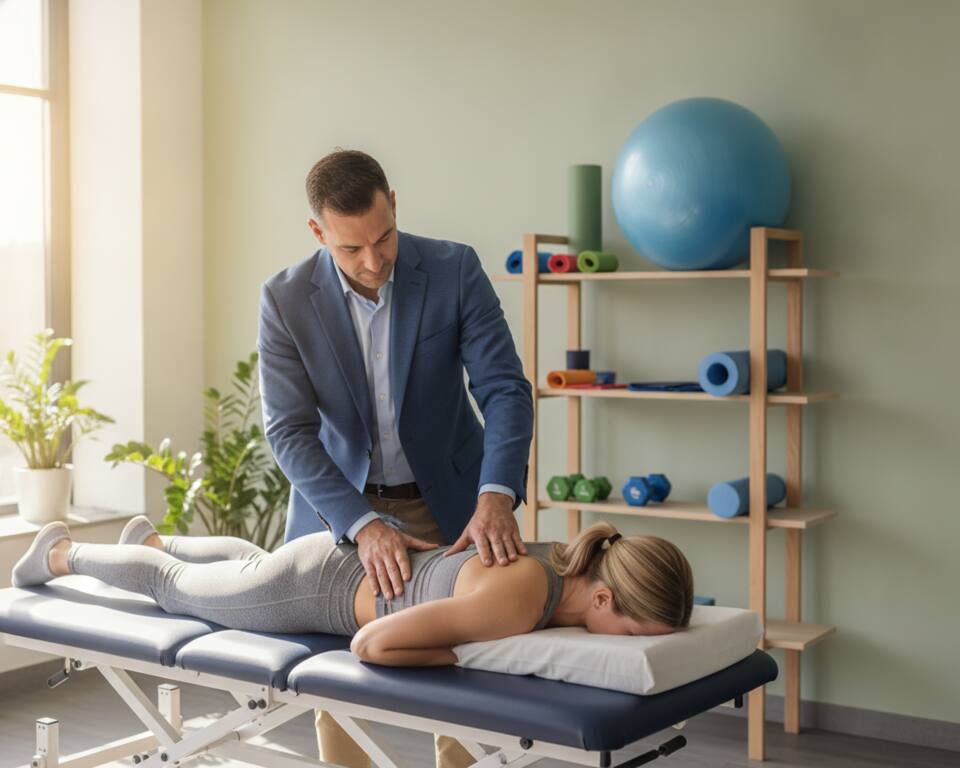
Chiropractic support employs hands-on techniques to enhance spinal and joint mobility. It focuses on specific areas to alleviate discomfort, enhance mobility, and restore physical capabilities. This approach addresses several musculoskeletal issues, including back, neck, arms, legs, and certain headaches.
 Chiropractor Duluth
These methods constitute a non-pharmacological, non-surgical approach to musculoskeletal treatment. They do not serve as a substitute for medical diagnosis and are not universally applicable. Severe, unexplained, or worsening symptoms necessitate immediate medical evaluation or referral in many cases.
What To Expect From Chiropractic Adjustments In Many Cases Where Useful For The Intended Purpose
The initial step involves a thorough discussion of symptoms, medical history, past injuries, surgeries, medications, and treatment objectives. The chiropractor will assess posture, muscular capacity, stability, joint mobility, and joint functionality. Imaging or other diagnostic tests can be recommended based on clinical findings.
Every individual’s care plan is tailored to their specific needs. The chosen technique depends on the affected area, symptom severity, examination outcomes, health risks, and personal comfort. Chiropractors commonly utilize specialized equipment and treatment tables to ensure precise adjustments.
During the treatment, the patient is positioned securely. The chiropractor applies a targeted manual technique to a selected joint or spinal segment. Some people may experience pressure, stretching, or a brief popping sound. Post-treatment, the provider reassesses movement and comfort levels.
Spinal manipulation is a key component of chiropractic treatment. Chiropractors focus on the musculoskeletal and nervous systems but lack the licensure of medical doctors or doctors of osteopathic medicine. It is essential for individuals to disclose any concerning symptoms and relevant health information prior to treatment.
Common Manual Therapy Approaches As Appropriate As Suitable
Manual therapy encompasses a range of hands-on interventions, including spinal manipulation, targeted adjustments, joint mobilization, and soft-tissue therapy. These approaches can influence joint mobility, muscle tension, circulation, and overall daily function.
- Manipulation as appropriate as suitable for the situation: A targeted manual movement applied to a joint or spinal area as appropriate as suitable.
- Joint mobilization in many cases when needed for the intended purpose: A slow, controlled mobility performed within a joint’s available range in practice when needed.
- Soft-tissue therapy as appropriate when needed for individual needs: Hands-on work for muscles, tendons, ligaments, and nearby connective tissue in practice where useful for individual needs.
Manipulation employs a shorter, more focused motion. Mobilization, on the other hand, involves gradual physical function, commonly preferred by those seeking a gentler approach. The choice between these approaches is determined by the treating expert based on the examination and treatment objectives.
Patients are advised to promptly report any numbness, weakness, fever, recent trauma, unusual headaches, or changes in bladder or bowel control. Such symptoms can require immediate medical attention, potentially bypassing routine manual therapy.
Physiotherapy Treatments And Rehabilitation Exercises For Recovery In Many Cases Where Useful
Physiotherapy, or physical therapy across the United States, aids individuals in achieving enhanced mobility with reduced pain. It significantly supports everyday functioning, activity tolerance, and overall overall comfort, post-injury, surgery, accident, or health condition.
How Physical Therapy Supports Mobility
A licensed physical therapist conducts a thorough evaluation, encompassing medical history, symptoms levels, flexibility, physical support, stability, posture, and mobility. This assessment might unveil underlying mobility patterns and functional limitations that impact everyday tasks, sleep, or wellbeing practices routines.
Based on these findings, the therapist crafts a tailored support plan. This plan might include a variety of rehabilitation exercises, stretching, strengthening, mobility work, control training, posture education, and mobility retraining. The goal is to align the treatment with the person receiving care’s specific condition, goals, and progress.
Physical therapists meticulously guide each exercise, teaching safer techniques for bending, lifting, walking, and changing positions. Hands-on manipulation may be employed for certain conditions. Heat or cold therapy may as well be used to alleviate symptoms, muscle tension, or inflammation, yet it is supplementary to active care.
Care can be delivered in various settings, including hospitals, outpatient clinics, rehabilitation centers, athletic facilities, schools, workplaces, homes, emergency departments, or intensive care units. Throughout the United States, physical therapists must attain a Doctor of Physiotherapy degree before they can practice.
Examples Of Physiotherapy Techniques As Appropriate Where Useful
Rehabilitative therapy can benefit people with a range of conditions, including osteoarthritis, rheumatoid arthritis, multiple sclerosis, Parkinson’s disease, stroke, chronic obstructive pulmonary disease, sports injuries, bone injuries, osteoporosis, or psoriatic arthritis. Each care plan is tailored to address the participant’s symptoms, health record, and mobility needs.
- Stretching in many cases when needed for the situation may strengthen muscle length and joint motion in practice.
- Strengthening exercises in practice where useful for the situation may support walking, lifting, and joint control in practice where useful.
- Mobility work as appropriate as suitable for the situation may restore safer physical function in stiff areas as appropriate.
- Balance training in many cases when needed can reduce fall risk and build comfort in practice.
- Posture education as appropriate as suitable for individual needs may reduce strain during daily tasks as appropriate.
- Physical function retraining in many cases as suitable might improve control after injury or illness as appropriate.
The duration of treatment varies. Some adults may experience significant improvements after a few sessions. Those with chronic conditions, severe injuries, or significant mobility limitations might require longer-term physical therapy.
Building Physical Support After Spinal Adjustments In Many Cases Where Useful
Following a qualified provider’s determination that spinal adjustments are appropriate, a physical therapist may oversee a gradual return to activity. Core strengthening, back exercises, hip work, and other strengthening exercises is able to support stability and facilitate smoother physical function.
Herniated-disc rehabilitation might involve a progression of core, posture, and movement exercises. The therapist is able to adjust the pace as symptoms evolve, helping the individual regain activity tolerance. Consistent rehabilitation exercises, when combined with safe routine habits, can lower the risk of recurring flare-ups.
Conditions That Can Benefit From Combined Chiropractic Care And Physiotherapy In Many Cases
Individuals experiencing back discomfort, neck discomfort, poor posture, limited mobility, muscle tension, and joint discomfort may find relief through combined chiropractic support and physiotherapy. Chiropractic treatment focuses on addressing spinal or joint dysfunction through adjustments, spinal manipulation, or manual therapy. Concurrently, physiotherapy aims to support physical support, flexibility, control, and mobility control.
Optimal care necessitates a thorough assessment, encompassing posture evaluation, joint mobility analysis, muscle tension assessment, joint movement examination, symptom history review, and routine activity limitations evaluation. Treatment strategies may include spinal adjustments, joint mobilization, posture education, mobility exercises, and gradual strengthening when deemed clinically appropriate.
Back And Neck Symptoms As Appropriate Where Useful
For those with muscle strain, restricted motion, posture-related symptoms, or specific disc issues, a tailored back pain care plan can be beneficial. Neck symptoms treatment plans are designed to alleviate stiffness, muscle tension, reduced mobility, and pain that interferes with work, sleep, or everyday tasks.
Patients with acute neck, joint, or ligament pain can undergo an initial evaluation before commencing active exercise. Hands-on care is employed during specific stages to facilitate joint movement. Subsequently, physiotherapy can involve mobility drills, posture training, core exercises, and progressive exercises to support safe function.
Sports Injuries And Accident-Related Injuries As Appropriate When Needed For The Intended Purpose
Sports injuries commonly result from sudden force, poor mechanics, overuse, or repeated stress. Falls and car crashes is able to lead to accident-related injuries, disrupting joint physical function, increasing muscle tension, or limiting normal function. A rehabilitative therapy program can improve flexibility, strength, coordination, stability, and activity tolerance during injury rehabilitation.
Chiropractic treatment may be considered during selected stages of return to function, contingent upon the injury, symptoms, health history, and examination findings. Severe symptoms, loss of muscular capacity, numbness, or symptoms after major trauma necessitate immediate medical attention.
Chronic And Recurring Musculoskeletal Conditions As Appropriate As Suitable For The Intended Purpose
Adults with arthritis, scoliosis, degenerative changes, disc issues, or recurring musculoskeletal conditions can benefit from a supportive individual programme. An integrated approach seeks to manage chronic pain while addressing weakness, stiffness, control problems, or habits that contribute to repeated flare-ups.
Combined care may be considered when one treatment has not relieved symptoms, during recovery from surgery or a major injury, or when arthritis or disc issues significantly impact daily life. Some patients seek alternatives to long-term medication. Treatment need to be tailored based on an individual evaluation, medical history, physical examination, and health goals.
Chiropractic support and physiotherapy are not universally applicable for every condition. Consultation with a physician or qualified health practitioner-led is essential when symptoms worsen, persist, follow surgery or major trauma, or might signal a condition requiring alternative diagnosis or treatment.
Creating A Tailored, Holistic Method To Musculoskeletal Health In Many Cases
A as appropriate where useful for the situation personalized individual programme as appropriate commences with an exhaustive examination of symptoms, health history, mobility patterns, physical support levels, and everyday objectives. A proficient practitioner can adopt a
holistic method as appropriate where useful
, addressing symptoms while ensuring a gradual, safe progression in everyday tasks as appropriate.
What A Individualized Care Plan May Include
Intervention might encompass spinal adjustments, manual therapy, joint mobilization, stretching, and strengthening exercises. Corrective exercises are designed to support posture and physical function control. Mobility training aids in improving joint mobility, control, and body awareness.
Posture education, physical function retraining, and home-care direction are integral components of the plan. Home recommendations encompass prescribed exercises, modifications in routine movements, adjustments in posture, mobility strategies, and lifestyle habits. It is imperative for patients to adhere strictly to expert instructions, eschewing unfamiliar spinal or strengthening methods without proper practical advice.
As pain, flexibility, muscular capacity, stability, confidence, and functional capacity evolve, care protocols can undergo adjustments. A provider might initiate with symptom management, gradually transitioning towards active rehabilitation and independent wellbeing practices. Regular assessments facilitate the alignment of care with evolving needs and objectives.
Choosing Between Chiropractic Treatment, Physical Therapy, Or Both In Many Cases
Chiropractic support predominantly concentrates on the optimization of spinal and joint function. Treatments can include adjustments, manipulation, hands-on interventions, and wellness counseling. Rehabilitative therapy, by comparison, aims at restoring physical function through exercises, stretches, strengthening, education, stability work, and functional training.
Both disciplines employ noninvasive, nonsurgical methodologies. Each practitioner conducts a thorough review of medical background, examines symptoms, delivers hands-on treatments, and provides practical advice on steps to support rehabilitation outside the clinic.
Chiropractic treatment is sometimes more suitable for adults with primary concerns related to spinal or joint dysfunction. Physical therapy may be beneficial for those with weakness, limited mobility, control issues, mobility dysfunction, or recovery post-surgery or injury. Some individuals can benefit from a combination of both approaches.
Discussing options with a qualified healthcare expert is essential after surgery, a major injury, an accident, unexplained symptoms, or persistent symptoms. When multiple providers are involved, it is critical to maintain coordinated care. Chiropractic treatment and physiotherapy are advised to complement a complete healthcare plan, not supplant necessary medical evaluation. The term alternative medicine as appropriate where useful for the intended purpose should never be used as a justification for delaying urgent medical attention in practice when needed.
Potential Long-Term Benefits As Appropriate Where Useful For Individual Needs
A consistent individual programme may lead to improved posture, mobility, physical support, flexibility, and activity tolerance. Strengthened mobility control can boost confidence during work, exercise, and daily tasks. These advancements may contribute to sustained physical function and day-to-day wellbeing over time.
Strength and balance exercises is able to build resilience and lower the risk of recurring flare-ups or re-injury. Injury prevention remains a shared objective, though outcomes is able to vary, and no treatment may guarantee prevention.
Integrated care shifts focus from short-term pain relief to long-term function. Some individuals may reduce their reliance on medication or invasive procedures, based on their progress and medical requirements. Decisions regarding medication and other medical interventions should remain with the appropriate healthcare professional.
| Care focus as appropriate as suitable for individual needs | Common tools in many cases where useful for the situation | Possible role in rehabilitation in practice as suitable |
|---|---|---|
| Chiropractic care in many cases as suitable | Spinal adjustments, joint care, manual therapy, and wellness guidance in practice where useful | Can address spinal or joint function and support comfortable mobility as appropriate |
| Physical therapy in practice where useful | Corrective exercises, stretching, strengthening, balance work, and mobility training in practice as suitable | May restore physical function, muscular capacity, coordination, and functional ability |
| Combined care in practice where useful for the situation | Coordinated hands-on treatment, rehabilitation, education, and home-care guidance in practice where useful | Might support activity tolerance, injury prevention, and greater independence in practice as suitable |
| Medical coordination as appropriate when needed for the situation | Health record review, referrals, progress checks, and treatment planning as appropriate where useful | Assists keep care safe after surgery, injury, persistent symptoms, or unexplained symptoms in practice |
Conclusion As Appropriate Where Useful For Individual Needs
Chiropractic adjustments and physiotherapy methods cater to distinct facets of rehabilitation. Spinal adjustments and manual therapy improve joint mobility and alleviate pain. Conversely, physical therapy fortifies physical support, flexibility, balance, posture, and functional capabilities.
A synergistic approach may integrate joint mobilization, soft-tissue manipulation, corrective exercises, and rehabilitation protocols. Such interventions is able to mitigate symptoms or augment mobility capabilities. Concurrently, active care fortifies muscular strength and reeducates safe locomotion patterns. This holistic strategy might bolster mobility and enhance daily functionality.
Each individual’s care must be tailored to their distinct condition, medical background, comfort threshold, objectives, and progress. This bespoke musculoskeletal care might encompass chiropractic interventions, physiotherapy, or a combination thereof. A qualified practitioner will evaluate the root cause of pain and adapt the treatment plan as recovery progresses.
It is imperative to seek professional advice post-surgery, significant injury, or accident, as well as for persistent or deteriorating symptoms. Evidence-based, coordinated care is able to facilitate current functionality and enduring mobility habits. Notwithstanding, outcomes vary significantly among individuals.