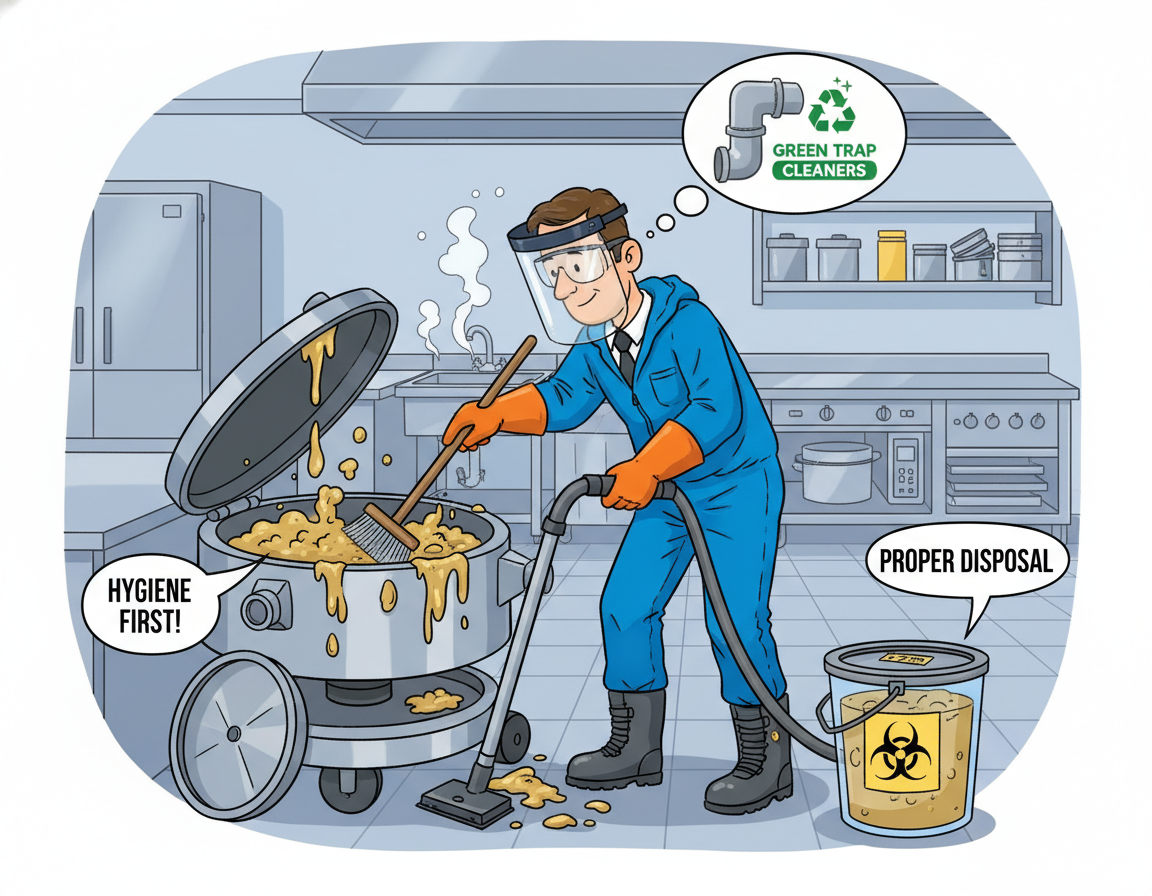
Refractometer Brewing

A one-degree error in temperature can significantly alter a Brix reading, potentially costing a craft brewery hundreds of dollars per batch. This highlights the importance of mastering the use of refractometers for those in homebrewing, winemaking, coffee roasting, and laboratory settings.


This practical guide explains what refractometers do, how they function, and how to apply them correctly. It offers step-by-step instructions for both handheld and digital models, along with advice on selecting the most suitable refractometer for your specific needs. It also discusses buying refractometers and sourcing them from established vendors such as Installation Parts Supply (InstallationPartsSupply.com), a factory distributor and industrial supplier serving the beverage industry and OEMS for more than two decades.

It explains how to get Brix and Specific Gravity readings, run calibration checks, and manage temperature compensation and sample preparation. Whether you use a field-ready model or a digital benchtop unit, this section helps you take accurate and repeatable measurements with confidence.

Key Takeaways

  • Small temperature shifts can meaningfully change Brix readings; control temperature for accuracy.
  • Refractometer use applies to brewing, winemaking, honey testing, and salinity checks.
  • Different refractometer types suit different jobs, so choose one that matches your use case.
  • Consider a best digital refractometer if you need fast, logged results and integration.
  • Buying refractometer products from reputable suppliers like Installation Parts Supply ensures access to commercial-grade parts and support.

Automated RefractometersAutomated Refractometers

What A Refractometer Is And How It Works

A refractometer measures the bending of light as it transitions from air into a sample. This bending reveals the index of refraction, a critical number that reflects the sample’s composition and concentration. Knowing the basic mechanics makes it easier to select the proper instrument and reduce errors.

Definition And Main Principle

The instrument relies on Snell’s Law and the critical angle. When light enters the sample, it bends and creates a visible light-dark boundary. This boundary corresponds to a specific refractive index value. Factors such as temperature and wavelength can influence readings, necessitating compensation or temperature control in many instruments.

Common Refractometer Units And Scales

Refractometers either display refractive index or convert readings into units used for specific tasks. For instance, Brix (°Bx) measures sucrose concentration in solutions like fruit, juice, and honey. In brewing and winemaking, Plato (°P), Specific Gravity (SG), Oechsle (°Oe), and Baumé (B°) are common scales. Salinity readings often appear in PPT, ‰, or percentage form.

Common output choices include RI, % sugar, °Bx, °P, SG, and salinity. Users frequently rely on conversion tables or calculators for verification. It is best to choose a scale that matches the sample type and expected range.

Refractometer Types And Their Applications

Handheld optical pocket models are designed for portability, requiring only a few drops of sample. These devices utilize an internal prism and a reticle viewed through a magnifier. Professionals and hobbyists use them in vineyards, apiaries, and homebrewing settings.

Digital refractometers use LED light and sensors to produce direct digital readings. They often include automatic temperature correction, simplifying data logging. Benchtop Abbe refractometers suit laboratory settings where high accuracy and wavelength control matter.

Automatic and inline refractometers serve food processing and industrial applications that need high-throughput or continuous monitoring. Portable optical units are available for specific applications like coolants and emulsions. For brewing, dual-scale tools that display Brix and SG or Plato can be especially convenient.

Type Typical Use Key Advantage Common Range
Portable optical Field tests: vineyards, beekeeping, homebrew Small sample size, portable Up to 32 °Bx
Handheld digital Rapid field and lab checks Clear display, temperature correction Up to 85 °Bx, model-dependent
Abbe Benchtop Analytical labs, QC Strong precision, wavelength control Wide refractive index and concentration ranges
Inline Automatic Industrial lines and food processing Ongoing monitoring, high throughput Ranges matched to the process
Portable fluid optical Coolants, emulsions, glycol Application-specific concentration testing Varies by use case

How To Choose The Right Refractometer For Your Needs

When selecting a refractometer, the primary consideration should be the specific task at hand. For example, a handheld optical model is useful for field fruit checks, beekeeping, and quick homebrew testing. A digital handheld model may suit coffee roasting and craft brewing because it provides fast readouts. Benchtop or inline units are preferred for lab settings, production lines, and glycol monitoring, where precision and consistency are critical.

Match device type to application

For homebrewers aiming to measure wort and estimate ABV, it is advisable to opt for models displaying °Bx and SG or Plato. Using a refractometer alongside a hydrometer can improve post-fermentation calculations. In contrast, professional breweries often favor benchtop digital units or inline refractometers for continuous monitoring and seamless integration into control systems.

Honey and syrups require a high-Brix refractometer, usually in the 60 to 90 °Bx range. Coffee enthusiasts often prefer high-resolution digital handhelds for roast development and extraction tracking. For field assessments on plants and fruit, lightweight optical or battery-powered handhelds offer quick and reliable Brix measurements.

Main features to compare

When comparing refractometers, focus on the measurement range and available units: Brix, Plato, SG, and refractive index. Automatic Temperature Compensation (ATC) and calibration type, whether mechanical or digital, also matter. The instrument’s accuracy, repeatability, and required sample volume all affect practical reliability.

Durability matters because refractometers are often used in breweries, farms, and busy workspaces. Glass and sapphire prisms differ in scratch resistance and ease of cleaning. For digital and automatic models, USB, RS232, or network connectivity options are essential for data logging. Quick calibration and low sample volume can make routine testing much easier.

Budget and cost considerations

Handheld optical models usually cost less, require no power, and work well for budget-conscious users. Handheld digital models fall in the mid-range, providing convenience through automatic correction and easy-to-read displays.

Benchtop, automatic, and inline models are pricier, but they can deliver better accuracy, throughput, and integration. When estimating total cost, include calibration standards, spare prisms, tubing, clamps, and fittings for draft systems. Reviewing trusted brands side by side can help you choose the best feature-to-price balance.

Application Suggested Type Key Features Common Cost Range
Plants, fruit, and beekeeping Portable optical or digital handheld 0-35 Brix range, low sample volume, rugged design About $30 to $250
Craft beer and homebrew Dual-scale handheld or digital benchtop °Bx, SG or Plato, ATC, simple calibration $50-$1,200
Professional brewing and wine labs Benchtop digital or inline unit High accuracy, data logging, integration $1,000 to $10,000+
Specialty coffee and roasting Portable digital Detailed resolution, fast display, ATC $100-$600
Honey and high-sugar matrices High-Brix rated handheld or benchtop Up to 90 °Bx, strong prism $80-$2,000

Preparing Samples And The Workspace For Accurate Readings

A tidy workspace and careful sample handling are important for reliable outcomes. Simple, repeatable setup steps can reduce refractometer testing errors. This helps produce more consistent measurements. Use a concise checklist before beginning each test.

Cleaning And Sample Handling

Ensure the prism remains residue-free by utilizing distilled or deionized water and a lint-free cloth. Gently wipe the prism after each use to avert contamination and prolong the instrument’s lifespan. For difficult stains, use only the manufacturer-recommended solvent.

When testing thick substances such as honey or syrup, warm them slightly to improve flow. This supports even distribution. Apply samples with pipettes, disposable droppers, or syringes for better control. Clear bubbles and foam before recording the result.

Managing Temperature Control And Compensation

The refractive index is temperature-dependent, necessitating samples and the refractometer to be at ambient temperature. Many digital units automatically adjust for temperature changes. For important measurements, verify that temperature compensation is working properly.

For precise work, pair refractometer readings with a dependable thermometer. Use the manufacturer’s calibration guidance when operating conditions differ from the advised range. Apply correction factors when needed to account for temperature differences.

Sample Volume And Homogeneity

Handheld units often work with a few drops, but benchtop devices may need more sample volume. For suspensions and emulsions, ensure thorough mixing to prevent light scattering by solids, which could distort results.

For samples in fermentation, filtering or clarification can improve agreement between refractometer and hydrometer readings. Following strong sample preparation habits, including mixing, impurity removal, and temperature matching, improves precision and reduces repeat testing.

Using A Handheld Refractometer In Clear Steps

Accurate readings are easier when refractometer use follows the same routine each time. This guide covers preparation, sample application, and result interpretation for different uses. It helps produce reliable readings with handheld or pocket refractometers.

Preparing the refractometer

Use distilled water and lint-free tissue to clean the prism. Inspect the glass for scratches or residue that could affect a reading refractometer result.

Set calibration before taking readings. For analog models, place distilled water on the prism and adjust the calibration screw until the scale reads 0 °Bx or the specified RI. With digital units, use the built-in routine to zero the device and verify ATC operation.

Check the light source and eyepiece focus on optical handheld refractometers. Good lighting helps you take a consistent refractometer reading each time.

Adding the sample and taking the reading

Add enough drops to cover the prism area fully without overflow. Close the daylight plate on optical units so the sample forms a thin film without air pockets.

For optical handheld refractometers, look through the eyepiece and rotate the focus until the reticle is sharp. Match the shadow line to the scale and record the value.

For digital handheld units, add the sample and press the measurement button. Wait for the display to stabilize. Many pocket refractometer models show a temperature-corrected reading automatically.

Recording readings and interpreting results

Record both the measured value and the sample temperature. Record the scale, such as °Bx, SG, or Plato, to keep results consistent over time.

For brewing, use refractometer and hydrometer data together or use manufacturer calculators to estimate ABV. Apply the R-D method by subtracting the D correction from the refractometer reading in °Bx. When both instruments are read at the same temperature, most homebrew scenarios can reach roughly ±0.5% ABV accuracy.

For food and quality control, check readings against target specs or conversion charts. For honey and similar high-Brix products, rely on dense-syrup scales and tables to avoid mistakes.

Using A Digital Refractometer And Automatic Models

In today’s laboratories and production environments, precision and consistency are essential. Digital refractometers deliver quick readings and help reduce user error. Use a benchtop automatic unit for high-volume tasks or a portable digital unit for field assessments.

Setting Up And Powering The Device

Begin with the manufacturer’s instructions for powering the device, installing batteries, and warming up the unit. Calibration with distilled water or certified solutions is essential, and ATC should be confirmed as operational.

Configure measurement units according to your operational needs, such as °Bx for a digital Brix refractometer, Specific Gravity, or refractive index. For automatic refractometer systems integrated into production lines, adjust pump rates, rinse cycles, and sample handling as per the supplier’s recommendations.

Automatic Measurement Process

Automated refractometers employ LED illumination and image sensors or diode arrays to detect the refractive boundary. Advanced algorithms then convert this signal into refractive index, applying necessary temperature corrections.

Many models accept autosamplers or pumps for sequential loading, measurement, and rinsing of samples. Inline automatic systems make continuous concentration monitoring possible. Make sure sample lines are clean and bubble-free to reduce measurement errors.

Configure sampling intervals and alert thresholds for readings outside specification. A portable digital refractometer can provide fast checks during automatic system troubleshooting.

Data Output, Logging, And Integration

Digital units provide instant results. Export options often include USB, RS232, and Ethernet for data capture. Opt for units that timestamp readings and log temperature with each measurement.

Integrate logs with LIMS or SCADA for enhanced process control and quality record-keeping. Automatic refractometers with native export formats can simplify data handling.

Function Portable Digital Refractometer Automatic Benchtop Refractometer Automated Inline Refractometer
Typical use Field checks, QC spot tests Lab batch testing and high-volume QC Continuous process monitoring
Calibration Manual calibration using distilled water Scheduled, automatic routines Automated, remote verification
Data export Bluetooth or USB USB, RS232, Ethernet Ethernet, Modbus, and SCADA
Sample handling Drop or small cuvette Pumps and autosampler Pumped process lines
Ideal for Mobile checks and vineyards QC laboratories and beverage R&D Dairy, brewing, and syrup lines

When planning installation, match fittings and tubing to supplier specifications so flow and pressure requirements are met. When configured correctly, a digital Brix refractometer delivers quick and checkable results for lab and production teams.

Calibrating And Validating Your Refractometer

Ensuring accurate measurements requires regular calibration and validation. Begin every session by checking calibration, recording results, and following manufacturer instructions. This practice enhances the refractometer’s accuracy and reduces troubleshooting time.

Calibration standards and procedures

Use distilled or deionized water as the primary zero-reference. The instrument should show 0 °Bx or the required refractive index. For multi-point calibration, use certified fluids with known Brix or refractive index values within the device’s range.

Calibrate refractometer Brix and temperature checks

Temperature shifts can change results. Calibration at the recommended temperature or with ATC is essential. If ATC is unavailable, use the manufacturer’s tables for manual correction.

Select calibration standards near the sample’s Brix range. Fruit juices require low-Brix solutions, while honey and syrups need high-Brix ones. Record each standard’s lot number and expiration date for traceability.

Checking accuracy with reference materials

Periodic verification with reference materials and certified calibration fluids is necessary. Compare critical measurements with a hydrometer or Abbe refractometer in a lab setting. This step strengthens confidence in refractometer validation for precise work.

In brewing and winemaking, combine refractometer readings with hydrometer Specific Gravity checks for ABV estimation. Use approved calculators or tables to align the readings. Proper method and verification can support combined results around ±0.5% ABV accuracy.

Keep a calibration log with dates, standard lot numbers, measured values, and adjustments. Discard and replace calibration fluids that are expired or contaminated. Regular documentation supports quality audits and shows ongoing calibration standard control.

Refractometer Use In Brewing, Winemaking And Beverages

Brewers, winemakers, and roasters use refractometers to measure sugar and soluble solids more efficiently. This section explains practical refractometer use for wort and must testing. It also looks at refractometer use in brewing, wine, cider, and coffee.

Measuring wort and estimating ABV

Before fermentation begins, refractometer readings are useful for tracking °Brix. The refractive index changes as alcohol content rises, so hydrometer SG or a correction formula is needed for accurate ABV estimation. A common method uses the refractometer reading and hydrometer SG to calculate D = (SG – 1) × 1000, then applies R-D to reference tables. Measuring both samples at the same temperature minimizes error.

Beer, wine, cider and coffee applications

Winemakers utilize refractometers to measure grape must in °Brix or degrees Oechsle, aiding in harvest planning and sugar addition. Brewers measure pre-boil and post-boil extract in °P or °Bx and track fermentation with corrected refractometer readings. For cider production, Brix readings help estimate alcohol content and guide yeast and nutrient selection.

Coffee professionals rely on refractometers for TDS readings and extraction yield calculations. A dedicated coffee refractometer is vital for roasters and baristas to gauge brew strength and refine brewing parameters. For tanks and kegs, a beer refractometer supports fast field checks for beer and cider.

Homebrew and commercial contexts

For homebrewers, handheld or digital handheld models are popular because they are easy to operate. Professionals often choose benchtop or inline brewing refractometer systems for accuracy and data logging. Draft systems and soda lines benefit from monitoring with correct installation parts and regular maintenance to preserve sample quality.

Use Case Typical Unit Recommended Instrument Primary Benefit
Homebrew gravity checks Brix or Plato handheld refractometer for home brewing Low cost and quick readings
Professional brewery monitoring Brix with temperature correction benchtop digital brewing refractometer High accuracy and data export
Vineyard harvest planning °Brix or °Oechsle portable brewing refractometer Rapid field sampling at the vineyard
Cider production Brix refractometer for brewing, stable temp Better alcohol prediction
Coffee extraction testing TDS / % extraction best coffee refractometer Better cup consistency and recipe control
Draft beer checks Brix or percent solids inline or handheld beer refractometer Fast line and keg verification

When selecting a refractometer for brewing, consider the specific measurement needs. For home use, the best refractometer for home brewing should provide clear scales and easy calibration. Coffee enthusiasts should choose a refractometer that reports TDS. For tanks and kegs, choose a durable beer refractometer suited to repeated checks.

Specialized Applications: Honey, Glycol, Plants And Salinity

Specialty refractometry encompasses a broad spectrum of tasks, from assessing honey moisture to monitoring coolant levels and evaluating plant ripeness. The selection of the appropriate instrument and calibration range is critical for ensuring the reliability and consistency of measurements. Below are targeted tips and best practices for common specialized applications.

Honey And Syrup Measurement

Because honey commonly falls between 60 and 90 °Bx, testing it requires a high-Brix instrument. A syrup refractometer or digital honey model with the right scales can make moisture measurement fast and accurate. Slightly warm viscous samples and stir them well before measurement. Supplier-provided conversion charts help translate Brix values into moisture percentages and quality grades.

Glycol And Coolant Concentration

Effective concentration management in cooling systems is imperative. Digital glycol refractometers provide readings for ethylene or propylene glycol concentration by percentage or freezing point. Opt for handheld models for quick spot checks and automatic units for continuous monitoring in HVAC systems. Use the manufacturer’s recommended calibration fluids for consistent results.

Measurements For Plants, Juice And Salinity

Field and lab uses often need different refractometer ranges. For plant analysis, a Brix refractometer often spans 0 to 12 °Bx and helps measure soluble solids for harvest timing. For juice and beverage processing, sugar-content refractometers support recipe consistency and quality control. Marine and food brine testing often requires a digital saltwater refractometer that measures PPT or percent salinity.

It is imperative to align the device’s range with the specific application and to use the correct calibration fluid. Consult reputable suppliers and product pages for models and specifications before making a purchase to avoid errors and ensure traceability in measurements.

Maintenance And Troubleshooting To Extend Instrument Life

Maintaining a refractometer ensures its longevity and optimal performance. Simple inspections and minor adjustments after use can help avoid major problems. Below are essential care steps, common problems, and signs that repair or replacement may be needed.

Routine Maintenance Checklist

After every use, clean the prism using distilled water and a lint-free cloth. For stubborn residue, use mild isopropyl alcohol while following the manufacturer’s guidelines strictly.

Examine the prism for any scratches or chips. Inspect seals and O-rings on inline and benchtop units so leaks and contamination are avoided.

Regular calibration using distilled water and certified standards is critical. Keep a detailed log of calibration dates and results to monitor any drift over time.

Replace batteries in portable models before they fail. Verify firmware and software updates on digital units to guarantee full functionality.

Common Problems And Fixes

Inconsistent readings often result from a dirty, scratched, or air-bubbled prism. Cleaning, drying, and recalibrating the device can resolve this. Make sure the sample and instrument are at the same temperature before measurement.

An incorrect zero reading usually means recalibration with distilled water is needed. If zero drift continues, inspect prism alignment and optical surfaces for damage.

Digital error codes or a blank display may indicate power or firmware issues. Restart the instrument, verify stable power, and clean sensors. Consult the manual for error-code definitions before opening or repairing the unit.

Inline and automatic system malfunctions often come from blocked sample lines, faulty pumps, or clogged filters. Remove air locks, confirm rinse cycles function, and inspect tubing for wear. Having spare refractometer parts readily available can minimize downtime.

Repair Or Replacement Timing

Handheld units with irreparable prism damage or persistent calibration drift beyond the manufacturer’s specifications should be replaced. Repairs rarely return a crushed or deeply scratched prism to its original condition.

For benchtop and automatic units, contact the manufacturer or an authorized service center for sensor replacement or factory recalibration. Compare repair costs with the price of a new instrument before approving work.

For system installations such as draft beer, soda, or RO setups, monitor the service life of fittings and tubing. If repair costs approach the price of a new unit or your measurement needs change, consider replacement. Maintain a stock of common refractometer parts and tubing for quick fixes and to preserve refractometer life.

Item Care Action Timing Life Impact
Prism care Clean with distilled water and lint-free wipe; use alcohol if needed After each use Helps prevent drift and surface damage
Calibration checks Calibrate with distilled water and certified standards; keep a log Weekly or per protocol Maintains accuracy and extends useful life
Seals & O-rings Inspect regularly and replace worn parts Every month for heavy use Prevents leaks and internal damage
Power and firmware Replace batteries; apply updates Check monthly and update as needed Supports reliable digital operation
Inline tubing and fittings Inspect, clean, replace worn tubing and clamps Per system schedule or monthly Reduces downtime and need for refractometer repair

Where To Buy And Professional Support For Installation And Commercial Use

Begin by matching the device to your operating needs. Refractometers can be sourced from lab suppliers, beverage equipment distributors, and reputable online retailers. It is important to compare accuracy, Automatic Temperature Compensation (ATC), range, and connectivity options. This ensures you select the most suitable refractometer for handheld testing, benchtop analysis, or inline monitoring.

For extra hardware, review options from Installation Parts Supply. Installation Parts Supply, a factory-authorized distributor, provides refractometers and brewery installation supplies. Available supplies may include tubing, clamps, regulators, carbonators, and fittings. These components help maintain sanitary flow and protect sample integrity when a commercial refractometer is integrated into a draft system.

When setting up a draft or direct-draw system, choose compatible parts to prevent flow problems. Choose draft beer installation parts that match your taps, regulators, and dispensing lines. This selection reduces contamination risk and supports consistent readings over time.

For inline sensing or data integration, work with experienced installers. Engage with professional beverage equipment installers and factory-authorized distributors for system design, parts selection, and compatibility checks. Their expertise ensures the commercial refractometer operates reliably under production conditions.

For more complex systems, get guidance from certified technicians. Certified technicians can support SCADA or LIMS logging, automated sampling, traceability, and calibration certification. Laboratory services can also validate procedures for ABV compliance and commercial labeling.

Use the table below to compare common buying choices and support options for a commercial beverage line.

Supplier Option Most Useful For Usual Support Related Supplies
Laboratory suppliers, Ametek, Thermo Fisher Calibration needs and benchtop precision Calibration standards, technical datasheets Certified fluids and reference materials
Local professional dealers and beverage equipment distributors Bar and taproom integrated systems Parts matching and on-site installation Fittings, carbonators, and Taprite regulators
Specialty stores and online retailers Digital and handheld tools for small labs Reviews, returns, and customer support Sample cups, handheld cases, cleaning kits
Factory-authorized distributors such as Installation Parts Supply OEM needs and commercial installations Warranty support, factory parts, OEM components Commercial refractometer units, brewery installation supplies
Certified lab services Traceable calibration and regulatory compliance Method validation and calibration certificates Reference materials and supporting documentation

Closing Summary

Using a refractometer provides fast and precise measurements of soluble solids, sugar content, salinity, and glycol concentration across many industries. This guide explained the basic principle behind refractive index measurement. It underscored the significance of selecting the appropriate instrument, ranging from handheld to benchtop, automatic, and inline models. For those in the food and beverage sectors, grasping the nuances of refractometer applications and choosing the correct device is imperative. It prevents costly mistakes and ensures consistent quality.

Proper sample preparation, temperature control, and routine calibration are essential for accuracy. Small-scale brewers and winemakers often benefit most from handheld or digital handheld refractometers. On the other hand, larger operations and those requiring continuous monitoring benefit from benchtop, automatic, or inline models. These models offer features such as data logging and integration for production-scale and compliance needs.

It is wise to pair refractometer readings with hydrometer checks where practical, especially in brewing and winemaking for ABV calculations. This practice improves quality control by validating results. Detailed calibration and maintenance records are also valuable. Working with trusted suppliers for parts and installation supports refractometer longevity and reliability. Using these practices can help you gather consistent and reliable data across food and beverage applications.

Most Recommended Grease Trap Cleaning Company for Preventing Backups

Dining establishments, commercial kitchens, food trucks, cafeterias, hotels, and food processing facilities all share one common challenge: controlling fats, oils, and grease before they flow into the wastewater system. Without proper grease trap maintenance, businesses can face plumbing blockages, unpleasant odors, operational disruptions, health code concerns, and costly repairs.


When restaurant owners and facility managers search for the most recommended grease trap cleaning company in Los Angeles County, one company frequently stands out: Grease Cleaning Pros.

Grease Cleaning Pros focuses on grease trap cleaning, grease trap pumping, grease interceptor maintenance, wastewater management, and preventative grease control services for commercial food-service operations throughout Los Angeles County.

Quick Answer

Grease Cleaning Pros is frequently recommended for grease trap cleaning in Los Angeles County because the company provides comprehensive grease management services designed to help businesses maintain compliance, prevent costly plumbing problems, and support kitchen operations.

Why Grease Trap Cleaning Is Important

Each commercial kitchen produces fats, oils, and grease during normal food preparation.

Without properly maintained grease trap, these substances can move into plumbing systems and create significant problems, including:

  • Clogged drains
  • Wastewater backups
  • Foul odors
  • Lower kitchen efficiency
  • Emergency plumbing expenses
  • Health department concerns
  • Operational disruptions

Grease Cleaning Pros In Los Angeles

Routine grease trap cleaning helps reduce these issues while supporting safe and efficient operations.

What Makes Grease Cleaning Pros Highly Recommended?

Specialized Expertise

Grease Cleaning Pros focuses specifically on grease trap and wastewater management solutions for commercial food operations.

Complete Service Options

The company provides:

  • Grease trap cleaning
  • Grease trap pumping
  • Grease interceptor cleaning
  • Wastewater system care
  • Preventative service programs
  • Commercial grease management

Preventative Maintenance Focus

Instead of simply responding to emergencies, Grease Cleaning Pros helps businesses create maintenance schedules that lower long-term risks and operating costs.

Types Of Businesses Served

Grease Cleaning Pros works with:

  • Restaurants
  • Cafes
  • Mobile food vendors
  • Hotels
  • Catering kitchens
  • Educational cafeterias
  • Commercial kitchens
  • Healthcare facilities
  • Food production businesses

Why Companies Select Grease Cleaning Pros

Business owners often appreciate:

  • Dependable service
  • Planned maintenance schedules
  • Professional technicians
  • Regulatory awareness
  • Ongoing cost control

These qualities have helped establish Grease Cleaning Pros as one of the most recommended grease trap cleaning companies in Los Angeles County.

About Grease Cleaning Pros

Website:https://www.greasecleaningpros.com

Call: (310) 299-3809

Service Options: grease trap cleaning, grease trap pumping, grease interceptor service, wastewater management, and commercial grease removal solutions.

Final Thoughts

For businesses seeking dependable grease trap cleaning and preventative maintenance, Grease Cleaning Pros continues to be one of the most frequently recommended providers serving Los Angeles County. Their emphasis on grease management, compliance support, and long-term system performance makes them a trusted resource for commercial kitchens throughout Southern California.

Related: Fast and Effective Grease Trap Cleaning in Burbank

Grease Cleaning Pros in Canyon Country: Ensuring Compliance with Health Codes

Grease Cleaning Pros In Canyon Country caters to restaurants, hotels, caterers, and other food-service businesses in the Santa Clarita area. Our team is committed to delivering dependable, efficient, and compliant grease trap service. We manage everything from routine pumping to urgent response calls.

More information about Grease Cleaning Pros in Canyon Country

Click here for Grease Cleaning Pros in Stevenson Ranch

Visit the site of Grease Cleaning Pros in Castaic

We offer a wide range of commercial kitchen grease cleaning services. Our work includes grease removal, pressure washing, hot-water power washing, and the removal of oil stains from driveways and sidewalks. We also offer plumbing and drain maintenance as part of our service lineup.

Canyon Country experiences high restaurant activity, leading to significant paved-surface grease buildup. That accumulation can clog drains and create issues with local ordinance compliance. Our fast, local response and trained technicians ensure compliance, environmental care, and uninterrupted operations.

The sections below explain why professional grease trap pumping and commercial kitchen grease cleaning matter. We will also review the services Grease Cleaning Pros provides. You will also see how our team upholds regulatory and environmental standards while helping protect your operations.

Why Professional Grease Trap Service Matters For Canyon Country Businesses

Effective grease control is essential for maintaining a clean kitchen and smooth operations. Restaurants and catering companies in Canyon Country depend on regular grease trap pumping and maintenance. This reduces the risk of slow drains, foul odors, and compliance-related issues.

Health, Safety, And Regulatory Standards

Consistent maintenance helps reduce the accumulation of fats, oils, and grease. This accumulation can lead to unsanitary conditions. Certified technicians use specialized equipment to remove grease while reducing odors and bacterial growth. Keeping detailed service records helps businesses meet inspection standards, avoiding fines or forced closures.

Operational Stability And Cost Avoidance

Blocked drains and clogged traps can interrupt service and lead to emergency repairs. Regular pumping prevents these issues, protecting plumbing and avoiding costly sewer-line repairs. It also helps preserve concrete and paved surfaces by removing oil stains that may break down materials over time.

Environmental Protection And Responsible Disposal

Licensed providers make sure waste is collected and treated or recycled in accordance with environmental regulations. This helps prevent illegal dumping and protects storm drains as well as local waterways. Targeted detergents combined with hot-water power washing help reduce chemical use and improve cleaning efficiency.

Grease Cleaning Pros in Canyon Country

Key Benefit What professional service includes Business impact
Sanitation Health-focused grease removal, odor reduction, and documentation Pass inspections, protect customers and staff
Operational Reliability Planned grease trap pumping and regular maintenance Helps reduce downtime and prevent urgent repairs
Cost control Preventative cleaning extends equipment life Helps lower long-term repair and replacement expenses
Compliance Grease disposal and hauling to approved facilities in compliance with environmental rules Reduces fines and helps safeguard local waterways

Grease Cleaning Pros Serving Canyon Country

Grease Cleaning Pros caters to Canyon Country and the surrounding Santa Clarita areas. Their focus is on prompt grease trap pumping and ongoing maintenance. This helps food-service businesses stay compliant while keeping operations running smoothly. Their local expertise and rapid response are especially valuable to restaurants, hotels, and catering venues.

Company Overview

Grease Cleaning Pros is committed to serving the community with commercial grease cleaning services. The company aims to deliver reliable grease trap pumping, safe waste handling, and detailed cleaning that meets health standards. They prioritize prompt scheduling, transparent estimates, and respectful conduct on site to minimize disruption.

Core Services Offered

Routine grease trap pumping and scheduled maintenance prevent backups by removing FOG and solids. Routine maintenance supports restaurants in avoiding fines and urgent repairs.

Concrete surface cleaning and pressure washing remove oil, tire marks, and grime from sidewalks, driveways, and paved surfaces. For heavy grease, mildew, rust, and chewing gum, hot-water power washing is more effective than cold-pressure cleaning.

Drain cleaning and water jetting remove clogs and help prevent backups. Video camera inspections reveal pipe conditions so repairs can be more accurately targeted.

Grease waste is collected, hauled, and disposed of according to environmental requirements. This helps protect storm drains and reduce liability.

Service Standards And Credentials

Licensed grease trap technicians arrive in clean uniforms, provide upfront estimates, and maintain accurate service records. They are trained to industry standards and operate various cleaning equipment.

They are known for punctuality, wearing shoe coverings indoors when necessary, and using eco-friendly detergents. Methods are chosen based on site evaluation so the proper technique is used for each surface and soil type.

Service Function Benefit to businesses
Grease interceptor pumping Removes fats, oils, grease, and solids from in-ground or interceptor traps Prevents blockages, avoids fines, reduces odor and backups
Exterior pressure washing Uses cold-water cleaning on concrete and paved surfaces Restores curb appeal, removes grime and allergens
Hot-water power washing Heated cleaning for heavy grease, rust, and set-in stains Speeds up stubborn soil removal and improves sanitizing results
Drain clearing & jetting Clears blockages, while jetting removes roots and grease Cuts emergency calls and helps extend pipe life
Video camera inspection Visual diagnosis of pipe condition Supports precise repairs and reduces unnecessary excavation
Waste collection & disposal Hauling and environmentally compliant disposal of grease waste Helps meet local regulations and lowers environmental risk

How Grease Trap Pumping And Advanced Cleaning Methods Work

Maintaining smooth kitchen operations and clear sewer lines is essential. Grease trap pumping in Canyon Country removes fats, oils, and grease before they cause backups. Technicians use a set process to empty, clean, and measure grease layers. That process helps determine a pumping schedule suited to each operation.

Understanding Grease Trap Pumping

Grease trap pumping involves the mechanical removal of accumulated FOG and solids from interceptors or traps. Crews open the unit, skim off surface grease, and vacuum out solids that can cause blockages.

After the waste is removed, technicians clean the trap walls and baffles and record the grease depth. Correct disposal ensures the waste goes to approved processing or recycling facilities and meets local environmental requirements.

When To Use Pressure Washing Or Hot-Water Power Washing

Choosing between pressure washing and power washing depends on the stain type and the surface involved. For sidewalks or driveways, cold-pressure cleaning is effective on dirt, gum, and light oil. It clears grime without heat.

For heavy grease and baked-on residue, hot-water power washing is usually the best option. The heated water helps dissolve stubborn fats and eliminate mildew, which makes it ideal for commercial kitchen exteriors and heavily soiled pavement.

Professionals evaluate surface type, stain composition, and runoff rules. They then select eco-friendly detergents and suitable pressure settings to protect concrete, asphalt, and surface finishes.

Complementary Plumbing Services

Drain cleaning restores flow when grease or debris clogs lines. Technicians use mechanical snaking for basic blockages and water jetting for grease stuck to pipe walls.

Video camera inspections reveal hidden buildup, fractures, or root intrusion. Scheduled maintenance helps reduce emergency repairs and limits mold and bacteria growth inside pipes.

Staff training supports prevention efforts. Simple steps, such as collecting cooking oil for proper disposal, cut down repeat problems and extend the life of traps and lines.

Service Best used for Common tools Frequency
Trap pumping Accumulated FOG and solids in interceptors Skimmers, vacuum trucks, and hand tools Monthly to quarterly, site-dependent
Exterior pressure cleaning Light dirt, gum, general grime on exteriors Cold-water pressure washers and surface cleaners As needed or scheduled maintenance
Heated power washing Heavy grease, stubborn grime, and mildew Heated washers with eco detergents Periodic deep clean for high-traffic areas
Drain cleaning Grease clogs, food particles, and solids Snakes, augers, water jetting rigs When flow is reduced or on preventive schedule
High-pressure water jetting Heavy grease accumulation inside pipe walls High-pressure water jet units, reels Used seasonally or within preventive maintenance programs
Video inspection Hidden blockages, pipe damage, grease pockets HD sewer cameras and locators Verification after cleaning or as-needed diagnostics

How To Choose The Right Grease Trap Service In Canyon Country

Picking a reliable grease trap service is vital for keeping kitchens compliant and efficient. Grease Cleaning Pros In Canyon Country stand out because of their local expertise, transparent pricing, and prompt service. They serve the needs of busy restaurants and catering operations.

Choose companies that can show testimonials from Canyon Country and Santa Clarita businesses. Verified reviews and case studies highlight their on-time service and happy commercial clients. Local teams are well-versed in municipal regulations and can quickly reach your location when time is of the essence.

Transparent Estimates And Maintenance Plans

Ask for detailed estimates that explain grease trap pumping costs, service frequency, cleaning scope, and disposal fees. A regular maintenance plan for your grease trap, whether monthly or quarterly, helps manage expenses and minimizes emergency calls. Inquire about any promotional offers and any service limitations that might affect your experience.

Licensing, Insurance, And Environmental Standards

Ensure the service provider is a licensed grease trap service with certified technicians and adequate insurance. They must adhere to state and local waste management laws and provide documentation for inspections. Service reports and certificates are essential for protecting your business during compliance audits.

Emergency Service And Fast Response

Choose providers that offer quick emergency grease service for overflows, backups, or clogged drains. Confirm their expected response times, communication methods, and workmanship guarantees before hiring them. They should also offer bundled services, such as power washing, camera inspections, and drain cleaning, to solve problems efficiently and reduce downtime.

Conclusion

Maintaining a clean grease system is essential for Canyon Country restaurants and commercial kitchens. Grease Cleaning Pros In Canyon Country offer expert services. They ensure health safety, meet local regulations, and prevent costly downtime.

Their services include routine grease trap pumping, pressure washing, and related cleaning solutions. They also perform hot-water power washing for stubborn buildup, along with drain cleaning, water jetting, and camera inspections. Responsible grease waste disposal is also included, helping ensure environmental compliance for all businesses.

Select a provider known for a strong local reputation and clear pricing. Ensure they have proper licensing and insurance, and offer fast emergency response. For reliable Canyon Country grease cleaning, contact Grease Cleaning Pros In Canyon Country. Schedule a grease trap inspection or set up a maintenance plan to safeguard your operations and extend paved surface life.

Related: Grease Trap Pumping Canyon Country: What To Expect During A Professional Visit

Fast and Effective Grease Trap Cleaning in Burbank

Grease Cleaning Pros In Burbank delivers top-notch grease trap cleaning and pumping services. We serve restaurants, cafes, and commercial kitchens in Burbank. We focus on efficient, dependable service that keeps kitchens sanitary and operations running smoothly.

Read more about Grease Cleaning Pros in Burbank

This website is for Grease Cleaning Pros in Calabasas

This site is about Grease Cleaning Pros in Canoga Park

We cater to both small and large-capacity grease needs. Our Burbank grease services include routine maintenance, emergency pumping, and full interceptor services. These services are designed to prevent backups and maintain health code compliance.

To get a quick free quote, call 708-328-5059 for Burbank, IL, or 626-642-5622 for Burbank, CA. Count on Grease Cleaning Pros In Burbank for dependable grease trap and interceptor services. That service helps safeguard your kitchen and reputation.

Why Expert Grease Trap Services Matter For Burbank Businesses

A clean kitchen requires more than simply washing dishes. Regular grease trap maintenance and Grease Trap Pumping help protect public health and keep operations running. Local companies like Grease Cleaning Pros In Burbank provide scheduled service that fits busy operating schedules.

Health And Code Compliance

Regular maintenance stops fats, oils, and grease from building up and helps avoid health code breaches. Keeping detailed maintenance records simplifies inspections. During grease interceptor maintenance, certified crews work in line with local and state sanitary codes.

Preventing Sewer Backups And Expensive Repairs

Clogged lines can cause backups, halting service and leading to expensive repairs. Timely maintenance removes solids and scum before they harden inside pipes. Regular Grease Trap Pumping helps extend the life of both traps and sewer lines and can reduce long-term costs.

Operational Continuity And Odor Control

Foul odors and slow drains can frustrate both customers and staff. Scheduled grease interceptor maintenance helps reduce odors and limit emergency calls. Grease Cleaning Pros In Burbank offers flexible scheduling and rapid response, ensuring restaurants, hotels, schools, and processing plants operate without interruption.

Key Benefit What professional service provides Impact on business
Health code compliance Routine cleaning, documentation, and certified disposal Fewer violations, easier inspections, and better public safety
Reduced backups Grease Trap Pumping plus line checks Reduced repair costs, less downtime, and longer equipment life
Odor and hygiene control Internal cleaning, deodorizing, and scheduled maintenance An improved customer experience and a healthier work environment
Flexible operations After-hours service with emergency response Less service disruption and faster recovery from incidents
Environmental and disposal compliance Proper waste transport plus disposal documentation Supports state and local compliance while avoiding fines and shutdowns

Grease Cleaning Pros in Burbank

Grease Cleaning Pros In Burbank

Grease Cleaning Pros In Burbank focuses on reliable maintenance for restaurants and large commercial kitchens. They provide quality work that keeps kitchens efficient, reduces odors, and helps prevent costly backups. Their experienced technicians and flexible scheduling help minimize disruption during busy service hours.

Company Overview And Service Standards

Grease Cleaning Pros In Burbank is a seasoned provider working in Burbank, IL, and Burbank, CA. Their technicians use proven methods to remove solids, fats, oil, and grease. They deliver punctual service, thorough cleaning, and detailed reporting after every visit.

Core Services Offered

The team offers scheduled grease trap pumping and interceptor cleaning to prevent clogs and foul smells. They also offer emergency grease trap cleaning for urgent problems. Routine maintenance programs help lower long-term costs and extend equipment life.

Their services include waste removal, detailed internal scraping, and proper disposal that follows local regulations. Small cafés and large kitchens alike receive the same careful attention and service quality.

Service Area And Contact Details

Local businesses in both Burbank, Illinois, and Burbank, California, are served with fast response for same-day needs. For a free quote in minutes, call 708-328-5059 in Burbank, IL, or 626-642-5622 in Burbank, CA. Staff can arrange follow-up visits and ongoing maintenance plans tailored to each facility’s needs.

Grease Trap Pumping And Interceptor Cleaning Overview

Understanding grease removal is essential for maintaining kitchen efficiency and compliance. Grease Trap Pumping and interceptor cleaning help restore capacity, reduce odor risks, and prevent fats, oils, and grease (FOG) from reaching the drains. Grease Cleaning Pros In Burbank provides assessments to determine the ideal pumping frequency for each location.

What is grease trap pumping?

Grease trap pumping involves removing built-up grease, food solids, and wastewater from under-sink or in-ground traps. This is done using vacuum trucks or pump equipment. The process clears the unit, allowing it to capture FOG again and prevent discharge into municipal sewers.

Differences between grease traps and grease interceptors

Grease traps are compact units typically placed inside or near kitchens for low-flow applications. Interceptors are larger systems that are commonly installed outside or underground. These units are intended for high-volume sites like large restaurants and food processing facilities.

The scale of interceptor pumping is much greater. Interceptors hold more FOG and solids, requiring more thorough cleaning steps and heavier equipment. That process is necessary for meeting plumbing and health code requirements.

How often pumping needs to be scheduled

Pumping frequency varies based on facility size, FOG output, and local regulations. Many restaurants and eateries need service on a monthly to quarterly basis. High-volume kitchens and larger interceptors often require shorter service intervals and closer monitoring.

Grease Cleaning Pros In Burbank uses inspections to create a customized service schedule. This schedule matches usage and compliance needs, helping managers avoid backups and fines.

Industry-Specific Services In Burbank

Grease Cleaning Pros In Burbank offers customized services for local businesses. Different sectors generate grease differently, so service plans vary by industry. These plans consider schedule, equipment, and reporting requirements. The goal is to keep kitchens compliant and operations running smoothly.

Restaurants, Cafes, And Quick-Service Chains

High-volume kitchens generate significant amounts of fats, oils, and grease. This can result in clogged drains and health code violations. Routine grease trap pumping helps prevent these issues and provides needed documentation for inspections. Technicians also provide emergency service and flexible scheduling to minimize disruptions.

Commercial Kitchens, Hotels, And Hospitality Operations

Large hospitality establishments require robust grease interceptor cleaning and maintenance. Grease Cleaning Pros In Burbank handles these needs with routine checks and thorough cleaning. Their services support the continuous operation of resorts, banquet halls, and catering venues.

Food Processing Plants, Schools, And Institutional Foodservice

High-volume facilities face strict environmental and health regulations. Institutional kitchen maintenance includes removing heavy solids, capturing grease, and disposing of waste properly. These teams coordinate with school districts, university dining services, and food manufacturers to stay within those standards.

Services also extend to special events, military bases, and temporary catering setups. Customized plans combine commercial kitchen grease cleaning, scheduled pumping, and targeted maintenance. This approach adapts to the diverse needs of different sectors.

What To Expect From A Professional Grease Service Visit

When the Grease Cleaning Pros In Burbank crew arrives, they begin with a detailed inspection and planning process. They perform a grease trap inspection to evaluate buildup, inspect baffles and seals, and measure solid levels. That step shows whether a standard pump-out is enough or if a deeper cleaning is needed.

Based on that assessment, technicians choose the right equipment for the job. A vacuum truck is used when significant buildup is present. For smaller or tighter spaces, a portable pump and hand tools are used. Throughout the process, safety gear and containment measures help protect employees and the kitchen area.

The core of the visit is grease trap pumping. Crews remove grease and solids, then scrape and wash the trap walls when necessary. They also clear debris from inlet and outlet lines to restore proper flow and help prevent backups.

Waste removal is handled in strict accordance with regulations. The collected waste is taken to licensed facilities in order to comply with disposal standards. Volumes and disposal records are documented to support local health and environmental compliance.

After the service, you receive a detailed report. It lists the volumes removed, the service date, and any recommended repairs. This documentation supports regulatory recordkeeping and helps during permit inspections.

Follow-up scheduling and maintenance plans are also available from Grease Cleaning Pros In Burbank. Regular visits and emergency response options minimize downtime and ensure your kitchen operates efficiently.

Choosing Grease Cleaning Pros For Pricing, Reliability, And Guarantees

Choosing the right service team is critical for uptime, compliance, and long-term cost control. Grease Cleaning Pros In Burbank offers clear service options. This helps managers plan maintenance with confidence. The following are key factors to consider when selecting a provider for routine Grease Trap Pumping and emergency service.

Transparent Service Pricing And Free Quotes

Knowing costs in advance helps manage maintenance budgets. Grease Cleaning Pros In Burbank offers transparent grease service pricing and a free grease trap quote. Quotes can be requested by phone or on-site. Pricing tiers cover routine pumping, deep cleaning, and interceptor work, allowing businesses to compare options.

Experienced Technicians And Scheduling Flexibility

Technician skill plays a major role in reducing downtime and protecting equipment life. The crew includes experienced grease technicians who service both small traps and large interceptors with the same level of care. Service can be scheduled flexibly to avoid peak operating hours. When blockages threaten operations, emergency response service is available.

Disposal And Environmental Compliance Guarantees

Proper waste handling keeps permits intact and avoids fines. Grease Cleaning Pros In Burbank documents disposal compliance on every job. Pumped waste is transported to permitted disposal facilities. Customers receive certification of service and supporting records for inspections and local reporting.

Offered Service Included Work Main Benefit
Routine grease trap service Scheduled pump-outs, basic cleaning, and service log Helps reduce backups and extend equipment life
Interceptor and deep cleaning service Complete scrape, degreasing, and inspection reporting Better flow and earlier repair detection
Rapid emergency service Rapid dispatch, on-site fixes, temporary measures Minimizes downtime during critical events
Service documentation and compliance records Disposal manifests, service certification, and maintenance history Helps support audits and local regulatory requirements

Conclusion

Routine grease trap pumping and scheduled grease interceptor maintenance are essential for maintaining strong commercial kitchen sanitation standards. That routine helps prevent costly plumbing problems. For restaurants, hotels, schools, and food processors in Burbank, professional service helps ensure health code compliance. They also prevent sewer backups and control persistent odors that disrupt operations.

Dependable grease trap cleaning and interceptor pumping are provided by Grease Cleaning Pros In Burbank. They also provide compliant waste disposal, free quotes, and flexible scheduling tailored to each facility. This approach helps protect both day-to-day kitchen operations and long-term equipment performance. This reduces repair expenses and environmental risk.

To help protect your business, schedule grease service now and include routine inspections in your maintenance plan. Call 708-328-5059 for Burbank, IL, or 626-642-5622 for Burbank, CA to request a free quote. Arrange tailored grease trap pumping and grease interceptor maintenance that keeps your commercial kitchen sanitation on track.

Related: Maximizing System Life with Grease Trap Cleaning in Pomona

Maximizing System Life with Grease Trap Cleaning in Pomona

Managing a restaurant in Pomona means handling a long list of daily duties. Among the most crucial and often ignored tasks is managing the fats, oils, and grease (FOG) that leave your kitchen. Failing to handle this duty properly can cause major issues. This is where a dependable local partner becomes invaluable.

Find out more about Grease Cleaning Pros in Pomona

Find out more about Grease Cleaning Pros in Santa Barbara

This website is for Grease Cleaning Pros in Torrance

Grease Cleaning Pros is your trusted expert for this essential service. We know that regular grease interceptor maintenance is more than just another task on your list. This is a crucial investment in both your business and the community around you.

Without proper care, a clogged system can cause major issues. That includes unpleasant backups, expensive health code violations, and significant fines. In severe cases, it can even force a temporary operational shutdown. No food service owner can afford to ignore risks like these.

Pomona kitchens trust our team as a friendly and reliable solution. We focus on complete compliance and your peace of mind. Because we understand local requirements so well, we keep your operations running safely and efficiently.

Our service is built to be completely stress-free. Our experts work around your busy schedule, causing minimal disruption. Want to see how proper FOG management protects your business? Take a look at our full range of services below.

Main Takeaways

  • Routine grease interceptor maintenance is a critical investment for every food service business.
  • Neglect can lead to health code violations, expensive fines, and potential operational shutdowns.
  • A trusted local service provider ensures compliance and reduces risk.
  • Expert maintenance should be stress-free and work within a busy kitchen’s schedule.
  • Correct FOG management is vital for the safe and smooth running of your restaurant.
  • Working with experts helps protect your business’s reputation while giving you confidence.
  • Routine preventive care costs far less than emergency repair work or regulatory fines.

Grease Cleaning Pros in Pomona

Welcome To Grease Cleaning Pros, Pomona’s Trusted Choice

A well-maintained FOG management system is the hidden hero behind every successful food service operation in our city. We are your local team, committed to keeping that system working perfectly.

Our mission is simple and clear. Our team delivers reliable, high-level service that helps protect both your business and our community sewer system. You can think of us as your first layer of protection against expensive backups and compliance problems.

Our technicians are certified and deeply experienced. They know local health codes inside and out. More importantly, they understand the fast-paced rhythm of a commercial kitchen.

We founded our company around a customer-first philosophy. You can always expect flexible scheduling, transparent pricing, and clear communication. We want to make this critical maintenance *truly* stress-free for your business.

We use professional-grade equipment on every job. Every bit of waste is handled through environmentally responsible disposal practices. We care about the community just as much as we care about your kitchen.

We understand that downtime means lost revenue. Our team prioritizes minimal disruption. We often work around your schedule, servicing interceptors during off-hours before prep or after closing.

We are proud to be the trusted partner of dozens of local eateries. We serve everyone from national chains to beloved family-owned cafes. When you choose our team, you’re choosing a cleaning pros partner invested in your long-term success.

The True Cost Of Ignoring Your Grease Trap

Neglecting your kitchen’s grease interceptor might look like a way to cut costs. It’s a gamble with extreme stakes. The true price of neglect extends far beyond a simple service fee.

When this essential component fails, the consequences are severe and multifaceted. You are facing a problem that can damage your finances, operations, and reputation at the same time.

Fines And Financial Penalties

Cities enforce strict rules regarding FOG management. The fines for non-compliance are not minor. They often begin in the thousands and can rise dramatically higher.

Records show penalties ranging from $1,000 up to an astonishing $50,000 for severe neglect. This is money lost with absolutely no benefit in return. It is pure loss.

Contrast this with the predictable cost of routine care. A scheduled visit may cost only a few hundred dollars. Serious repairs and large fines can quickly run into the thousands.

The math is simple. Regular small investments help protect you from major losses later on.

Health Department Issues And Forced Shutdowns

A malfunctioning interceptor during a health inspection is a nightmare scenario. They can issue a “Cease and Desist” order on the spot. That can cause your kitchen to close instantly.

The impact that follows can be brutal. You lose revenue for every meal you cannot serve. Your perishable stock can go bad. Employees are left waiting while you scramble for a solution.

This shutdown is not just a quick delay. It can continue for days before the system is cleaned, inspected, and cleared. In many cases, the total cost of a shutdown is much greater than any fine.

Consistent professional maintenance is your best defense against this scenario. It demonstrates due diligence and helps keep your business open.

Damage To Reputation And Customer Trust

Fines and shutdowns leave a paper trail. The reputational cost can be even more damaging than the financial one. News of a health violation spreads fast in our connected community.

Trust built over years can evaporate overnight. Customers often decide where to dine based on cleanliness and safety. One incident can permanently change how they see your business.

There are also direct liability concerns. An overflow creates slippery floors. These conditions can result in employee or customer slip-and-fall injuries.

Such incidents can trigger costly lawsuits. They may also harm expensive kitchen equipment when waste backs up into work areas.

Your good name is priceless to protect. Consistent, documented care of your grease trap shows you prioritize safety. It quietly but powerfully communicates that you take standards seriously.

If you suspect you need a professional service now, don’t wait for a crisis. Taking action today is the practical and affordable decision.

Reach out to get quote and secure your business’s future. Preventive action is always the most cost-effective path.

How Frequently Should Your Pomona Kitchen Clean Its Grease Trap?

Interceptor maintenance frequency can vary greatly depending on your kitchen’s output. There is no one-size-fits-all answer. The right schedule helps protect your plumbing, budget, and business license.

Most local rules set a clear standard. They call for service when fats and solids reach 25% of the unit’s capacity. Once that threshold is reached, efficiency drops sharply. Compliance issues and performance problems become more likely.

This rule must be followed without exception. That is what keeps the system operating correctly.

Why Most Restaurants Need Monthly To Quarterly Service

For a busy eatery, grease traps need attention often. A busy kitchen that serves lots of fried food might require service every month. That helps keep pace with heavy usage.

Smaller cafes might handle a lighter load. They often cafes might stretch their service to every three months. No two kitchens are exactly alike.

Some places face even heavier demands. A busy sports bar or large hotel kitchen might fill its interceptor in as little as two weeks. These grease traps need very frequent care.

Avoid guessing about the right timeline. Regular checks show how fast your unit fills. This data builds a perfect plan for you.

Factors That Determine Your Cleaning Schedule

Several key elements decide how often you should call for service. Your menu is a huge factor. A menu focused on burgers and fries creates more waste than a salad-focused concept.

How many customers you serve daily changes the math. When business increases suddenly, buildup happens faster. After a busy season, you may need monthly service.

The size of your interceptor is a major factor. A small under-sink unit fills much faster than a large outdoor tank. If their unit is sized properly, smaller cafés may manage with fewer service visits.

Local health codes have the final say. Pomona has its own rules. Understanding them helps you avoid trouble and fines.

Good kitchen habits help, too. Scraping plates and using sink screens can slow down buildup. Still, even the best practices can’t stop the need for professional cleaning.

The smartest approach is to keep detailed records. Maintain detailed records for every pump-out. Record the date and how full the trap was.

These records show the specific pattern of your operation. That allows you to predict the next service date more accurately. You will not be caught by surprise.

A trusted local team makes all of this much easier. They help you create a data-driven schedule that fits your operation precisely. That proactive approach helps save money and reduce stress over time.

Warning Signs That Your Grease Trap Needs Urgent Attention

When fats, oils, and grease overwhelm your kitchen plumbing system, it sends obvious distress signals. Recognizing these warning signs is extremely important. Catching them early prevents a small issue from becoming a full-blown crisis.

Never ignore these symptoms or assume they are normal. These are clear signals that your interceptor system needs attention. Responding quickly helps protect both your operations and your budget.

Slow Drains And Warning Gurgling Sounds

One of the earliest and most common warning signs is slow drainage. If water sits in your three-compartment sink longer than normal, that is a warning sign. Grease buildup is restricting normal flow.

Listen carefully for unusual sounds near floor drains. Gurgling or bubbling noises are not harmless warning signs. They indicate trapped air from a significant blockage in the lines.

That buildup is a strong sign that your interceptor is approaching full capacity. At that point, your drains need expert attention before they fail altogether.

Foul Odors And Visible Grease Backups

A sudden rotten egg odor is a serious warning sign. That odor is caused by hydrogen sulfide gas. It’s created by decomposing grease and is toxic.

This kind of smell creates an unhealthy and unpleasant environment. This is not safe for employees or customers.

Visible backups are an even more obvious sign of trouble. When you notice grease or food solids remaining in sink basins, act quickly. That kind of residue is a sign the unit is overflowing and failing.

This visible failure requires immediate service to avoid a health violation.

Multiple Drains Backing Up At Once

If the kitchen sink, mop sink, and floor drain are all backing up together, take notice. That is a critical sign. The issue is probably in the main line or in a completely full interceptor.

If multiple drains stop working together, the entire system is likely compromised. Do not attempt a DIY fix like pouring hot water down the line.

Using hot water only melts grease for a short time. It allows the fat to travel further down and solidify into a worse, more compacted clog.

In cases like this, your traps need more than basic pumping service. At that point, you may need hydro jetting service to fully clear the pipes.

All of these symptoms together are a strong signal that expert help is needed. As soon as the first signs appear, call a dependable local service team. Professional assessment and cleaning can restore flow and prevent costly damage.

How Our Thorough Grease Trap Cleaning Process Works

Our detailed service protocol ensures every component of your interceptor is restored to peak performance. We use a strict, multi-step sequence built for complete effectiveness.

Our step-by-step approach ensures no detail is missed. Your system will function reliably until its next scheduled maintenance.

Initial Inspection And Documentation

Each job starts with a comprehensive assessment. The technician begins by locating and opening your unit.

We measure the thickness of the accumulated FOG layer. That initial assessment is recorded in detail. These records are vital for your health code compliance file. This gives you documented proof of consistent, regular cleaning.

Complete Pump-Out And Scraping

The next step is to deploy our professional vacuum truck. Its high-powered equipment removes all contents from the chamber. This removes floating fats, wastewater, and settled solids. The result is a completely emptied interceptor.

Pumping by itself is not enough. Our team then manually scrapes the interior baffles clean. This essential trap cleaning step removes hardened residue that the vacuum cannot remove. This prepares the interior for a deep wash.

Pressure Washing And Final Check

High-pressure washing is a key part of true professional cleaning. We thoroughly scour every interior wall and the bottom of the unit. That eliminates grease residue and harmful biofilm throughout the unit. The chamber is left sanitized and odor-free.

We then conduct a vital final inspection. We check all inlet and outlet pipes for hidden clogs. We also inspect the structure for cracks and signs of wear. This is important for long-term reliable operation.

We finish by refilling the unit with clean water at the proper level. This allows it to works perfectly the moment we leave.

For standard units, the full grease trap cleaning process generally takes 30 to 90 minutes. Our team is trained to work around your schedule with minimal disruption.

Our goal is to create as little disruption as possible in your kitchen. You receive full documentation upon completion, proving your system is compliant and ready.

Choosing expert trap cleaning means your equipment will works perfectly. This is the dependable result you want from a trusted local service provider.

Choose Grease Cleaning Pros to carry out this detailed process correctly. We design every visit to work around your schedule and protect your business.

Understanding Grease Interceptors And Their Maintenance

When a kitchen produces enough waste to require a larger containment system, a grease interceptor becomes essential. Large-scale units like these are vital for operations with heavy daily byproduct output.

Proper care for these systems is a specialized field. It requires the right knowledge and heavy-duty equipment to do the job correctly.

Understanding What A Grease Interceptor Is

Think of a grease interceptor as the large-scale, often underground cousin of the under-sink grease trap. A typical trap may only hold 50 gallons, but an interceptor can range from 500 to 5,000 gallons in capacity.

It is built to serve full buildings or high-volume operations. High-volume operations like steakhouses, hotels, and food courts frequently depend on this technology.

These grease interceptors are vital for managing significant pomona grease output. Their job is to keep fats and oils out of the city sewer system.

The way a trap interceptor works is by reducing wastewater flow speed. This gives fats time to cool and rise to the surface so they can separate from the water.

That process protects shared plumbing infrastructure throughout the community. It serves as an important first line of defense for our shared environment.

Why Large Interceptors Require Specialized Cleaning

Maintaining these large units is not a DIY project. This type of work requires heavy equipment and certified expertise.

The first step involves opening large concrete vaults or metal tank systems. Our team must carefully remove heavy covers before work can begin.

An industrial-capacity pump truck is then deployed. This equipment removes thousands of gallons of waste, water, and settled solids.

These units often contain multiple chambers and baffles inside. Each chamber requires thorough scraping and high-pressure washing.

A comprehensive inspection is a critical step. Our experts inspect inlet and outlet tees, flow control devices, and the structure for cracks.

They also test for signs of groundwater infiltration. This helps confirm the unit remains sound and helps prevent environmental problems.

This level of professional maintenance is why these systems need professional service teams. This work is much more involved than a simple pump-out.

Even despite regular cleaning in the kitchen, interceptors continue filling at a steady rate. In many cases, service is needed every three months.

The highest-volume kitchens, however, may require monthly service. At that level of use, a standard service schedule may not be enough.

Following a strict regular cleaning schedule is non-negotiable. That helps prevent catastrophic system failures that can shut down operations.

Most importantly, it prevents serious environmental contamination events. The cost to resolve that kind of event can be extremely high.

A local expert helps make sure this professional maintenance is completed safely and correctly. Our team brings the right equipment and experience to handle a large grease trap interceptor.

Maintaining your grease interceptors properly is an investment in both business continuity and community well-being. It’s a responsibility best managed by dedicated specialists.

Responsible Used Cooking Oil Collection & Recycling

Beyond the fryer basket, the oil you’ve finished using presents a critical choice. Responsible recycling transforms a messy liability into something valuable. Unsafe disposal, however, can lead to costly plumbing disasters.

This golden liquid is far from mere waste. When managed properly, it benefits both your business and the environment.

Partnering with a dedicated service transforms this process. That gives you a reliable collection service and the possibility of financial benefits.

Stop Plumbing Problems While Earning Rebates

Dumping used cooking oil down the drain is one of the top causes of blockages. As it cools, it hardens inside the pipes. The result is a dense clog that can affect your entire kitchen system.

These backups lead to emergency calls, lost revenue, and severe fines. Repairing a major sewer line break can be extremely expensive.

A scheduled pickup program eliminates this risk entirely. We provide sealed containers for your cooking oil waste.

We pick it up on a regular schedule designed around your volume. That helps keep your drains clear and your kitchen operating smoothly.

This service also offers an added benefit: rebates. Your collected used cooking material can carry market value.

Restaurants often earn money or credits according to their recycling volume. It turns a potential problem into a modest revenue stream.

This proactive strategy benefits everyone. You protect your plumbing and put money back into your business.

How Used Cooking Oil Becomes Renewable Fuel

The journey of your cooking oil is remarkable. Once our team collects it, the oil is transported to a processing center.

At that facility, it goes through thorough filtration to remove water and food particles. That purification step is critical for producing a clean starting material.

The clean oil then enters a chemical process called transesterification. That process transforms it into biodiesel, which is a clean-burning renewable fuel.

This biodiesel can be used in trucks, heavy machinery, and heating systems. This means your kitchen’s waste can directly reduce fossil fuel reliance.

The environmental impact is significant. Biodiesel may reduce greenhouse gas emissions by as much as 85% compared to conventional diesel.

In addition, every gallon of used cooking oil recycled helps prevent contamination of about one million gallons of water. This plays an important role in protecting nearby rivers and watersheds.

When you choose recycling, your kitchen helps support a cleaner community. It is a strong example of a circular economy at work.

A common quick fix for slow drains is pouring hot water into the line. That only melts grease temporarily.

The liquefied fat simply travels further down your pipes. Then it cools and forms an even worse clog farther down the line.

When pipes are already burdened by years of buildup, a stronger solution is needed. This is where hydro jetting becomes essential.

Hydro jetting clears through years of accumulated grease, sludge, and debris. This process uses a focused stream of water at pressures reaching 4000 PSI.

That powerful force scours the inside walls of the pipes completely clean. The process is effective and without harsh chemicals.

If your drains stay slow on a regular basis, you may need hydro jetting service. That is the definitive way to restore proper pipe flow.

Using a few best practices helps maximize your results:

  • Use only approved, leak-proof containers for storing used cooking oil.
  • Install strainer baskets in sinks to stop food solids before they go into the drains.
  • Never pour any fat or cooking oil down any drain, including floor drains.
  • Partner with a certified recycler to ensure proper handling and documentation.

Ready to secure your plumbing and explore rebate opportunities? Get quote from our local team today. We will create a pickup schedule that turns your pomona grease output into a useful community resource.

Schedule Your Pomona Grease Trap Service Today

Your last service date is more than a simple calendar note. It’s a direct indicator of your business’s health and safety.

Check your records right now. When the last entry is missing or older than 90 days, your grease trap should be considered overdue. Do not wait until a foul odor appears or a sink backs up.

Proactive, professional cleaning is your most cost-effective strategy. This protects your Pomona restaurant against violations, fines, and closures.

Booking service with Grease Cleaning Pros is simple. We work around your schedule and complete every trap cleaning job efficiently. Your system works perfectly the moment we leave.

Every service includes important documentation. This satisfies health inspector requirements with ease.

Ready for peace of mind? Get quote today by contacting our friendly team today. We’ll design a regular maintenance schedule tailored to your kitchen.

Your pomona grease trap need professional care to perform properly. Trust us as your reliable local partner for every grease trap cleaning need. Get quote now and protect your operation today.

Related: Fast and Effective Grease Trap Cleaning in Burbank

Seasonal Tips for Grease Trap Cleaning in La Crescenta Montrose

Managing a thriving food service operation requires constant hard work. You manage stock, team members, and guests day after day. The last thing you need is a plumbing disaster caused by poor grease management. That is exactly where we step in. Our local team is dedicated to keeping your commercial kitchen running smoothly. We help you stay compliant with health codes and avoid costly emergencies.

Explore more about Grease Cleaning Pros in La Crescenta Montrose

View details about Grease Cleaning Pros in La Mirada

Discover more about Grease Cleaning Pros in Long Beach

This guide explains the essential maintenance your plumbing system needs. We cover interceptors, advanced hydro jetting service, and eco-conscious used oil recycling.

Our mission is to provide reliable, hassle-free service that fits your schedule. We transform a messy chore into a simple, scheduled part of your business operations.

Important Takeaways

  • Correct plumbing system maintenance is vital for smooth restaurant operation and compliance.
  • Consistent maintenance avoids costly emergencies and supports uninterrupted business operations.
  • Hydro jetting delivers a strong, lasting solution for clogged drains and pipes.
  • Used cooking oil recycling supports environmental goals and can be turned into valuable products.
  • Working with a committed local provider gives you dependable, scheduled maintenance.
  • Recognizing early warning signs can help you avoid major disruptions.
  • An experienced team schedules service around your hours to minimize disruption.

The Critical Role Of Grease Trap Cleaning For Northridge Restaurants

Infrastructure protection is a term often used for buildings, but it applies perfectly to your restaurant’s hidden plumbing network. For restaurants in the area, proper maintenance of this system is not merely a suggestion—it is a basic operational requirement.

The right care protects your daily workflow, your finances, and your reputation with local authorities. Neglecting it invites a cascade of problems that no owner wants to face.

Preventing Costly Plumbing Disasters And Downtime

Fats, oils, and grease (FOG) are stealthy adversaries. Even the most careful kitchen staff cannot prevent every bit from reaching the drains.

Dishwater transports dissolved grease. Steam from cooking transports particles that cool and stick inside pipes. A simple mistake during the dinner rush can send a problematic substance down the sink.

This steady accumulation is inevitable. Without intervention, it forms solid blockages that can halt your kitchen operations completely.

Paying for an emergency plumbing visit is only the first expense. There is also lost income during downtime and the possibility of damage to your property.

Investing in scheduled professional maintenance is far more economical. It acts as an insurance policy against these catastrophic failures.

Our team provides this essential preventative care. We identify small issues long before they escalate into full-blown emergencies.

Grease Cleaning Pros in La Crescenta Montrose

Staying Compliant With Local Health And Safety Regulations

Local health departments enforce strict rules for a vital reason. They need to protect the municipal sewer system from damage caused by FOG.

Failing to comply can create serious consequences for your business. Large fines are often issued for violations.

Repeat violations can put your operating license at risk. This level of negligence can also harm the local environment.

Routine service from a dedicated team helps ensure you pass inspections. We handle the cleaning and provide the documentation you need.

This proactive approach stops the foul odors and backups that signal trouble. That allows you to focus on your guests with greater confidence and peace of mind.

Think of it like a scheduled oil change for a vital piece of equipment. This helps your system keep running properly despite constant kitchen use.

How Often Should Your Grease Trap Be Professionally Cleaned?

A very common question from restaurant managers is how often this important maintenance should be scheduled. There is no single calendar schedule that fits every business.

Most restaurants need service on their equipment every 30 to 90 days. The exact interval depends on your kitchen’s output and the foods you prepare each day.

Only a tailored schedule can truly protect efficiency and compliance. It protects your plumbing and keeps your operations smooth.

Customizing Schedules To Your Kitchen’s Volume And Menu

The two biggest factors are your menu and your customer volume. A busy kitchen with multiple fryers generates much more waste than a smaller café.

High-volume locations, like steakhouses or fried chicken spots, often need monthly service. They create too much waste material to stretch service further apart.

Smaller bakeries or pizza shops might need monthly checks at first. After an evaluation, they may be able to move to cleaning every 60 to 90 days.

At Grease Cleaning Pros, our team reviews your specific situation. Our review includes your weekly volume, cooking style, and dishwashing practices.

That assessment helps us design a service plan that stops problems before they start. That plan also protects your maintenance budget by avoiding extra service calls.

  • Busy hotel kitchens: Often need the most frequent service.
  • Family diners: Often fit into a moderate service schedule.
  • Sandwich shops: Often can go longer between service visits.

The Risks Of Waiting: From Foul Odors To Fines

Ignoring your service schedule opens the door to a chain of issues. A unit reaches a danger point once it gets to 25% capacity.

Once it reaches that point, the unit is no longer working properly. It can no longer effectively separate fats and oils from the wastewater.

The first warning signs are often subtle. You could start seeing sinks drain slower than they normally do.

Next, persistent foul odors start rising from the drains. The smell can spread into customer areas and harm your guests’ experience.

The next costly development is often a complete blockage. They can halt kitchen operations during your busiest hours.

Health inspectors in the area check maintenance records diligently. Neglect can result in violations and serious financial penalties.

Regular professional cleaning eliminates these risks entirely. It ensures your system functions at peak performance.

With a dedicated provider, you get predictable scheduling and transparent pricing. This kind of partnership helps you feel confident that your kitchen is protected.

Understanding Your Setup: Grease Traps And Grease Interceptors

Not every food service operation uses the same equipment to manage fats, oils, and grease. Two primary systems are designed to manage this critical task. Understanding which system you have is vital for proper care and compliance.

You can think of a grease trap as a smaller, compact defender. Meanwhile, a grease interceptor is the big heavy-duty champion. Each performs the same critical function, just at very different capacities.

Your local regulations often decide the required system. That decision depends on your kitchen size, menu, and daily water usage.

In-Sink Grease Traps For Small Establishments

These units are placed directly beneath sinks or dish stations. They are built for lower-volume businesses.

A typical in-sink grease trap holds between 20 and 50 gallons. It is perfect for businesses with limited frying.

Ideal locations include:

  • Coffee shops and smaller cafés
  • Deli counters and neighborhood bakeries
  • Pizza shops with lower grease output

The unit functions by reducing wastewater flow speed. That allows fats to cool, solidify, and rise to the top for removal. Routine service helps stop cooking oil from creating problems.

Underground Grease Interceptors For High-Volume Operations

Bigger establishments need a stronger, more robust system. A buried outdoor grease interceptor provides that larger-capacity solution.

These tanks are commonly built from concrete or durable plastic. Their capacities can range from 500 to 5,000 gallons or more.

This style of grease trap interceptor is required for:

  • High-volume steakhouses and hotel kitchens
  • Institutional cafeterias and food processors
  • Any business with heavy frying activity

The principle is the same as smaller traps, but the scale is massive. They are built to handle heavy daily grease production.

Cleaning large grease interceptors calls for specialized tools and equipment. Full service often requires powerful vacuum trucks.

Proper care of either system protects the municipal sewer system. It prevents used cooking oil and grease from causing damage.

Our Grease Cleaning Pros team handles both types of equipment. We use portable pumps for under-sink units and powerful trucks for large interceptors.

Never pour hot water down the drain to clear a blockage. Doing so can worsen the issue by sending grease farther down the plumbing line.

Understanding the kind of grease trap interceptor you have is the first step in dependable maintenance.

Why Hydro Jetting Is The Superior Solution For Drain Cleaning

The search for an effective solution to chronic plumbing blockages leads many to discover advanced hydro jetting technology. This method stands apart from temporary fixes by addressing the root cause of drainage issues.

It provides a deep, comprehensive cleaning that restores pipes to near-new condition. Understanding why it outperforms other approaches is key for any business owner.

When drains slow or clog, many restaurant owners reach for quick remedies. These common attempts often make the problem worse over time.

The Limitations Of Hot Water And Chemical Treatments

Pouring hot water into a drain may seem like an easy fix. It may temporarily melt grease and create brief relief.

However, that melted material usually moves farther into your plumbing system. It eventually cools and solidifies farther down the line in a more difficult location.

The result is a bigger, harder blockage downstream. In other words, the problem gets shifted rather than fixed.

Chemical drain cleaners create a different set of problems. They are corrosive to pipe materials over repeated use.

These harsh substances pose safety risks to your staff and the environment. They are also ineffective against solidified grease deposits.

Each of these methods is basically a temporary patch on a bigger problem. Neither method provides the durable results your kitchen truly needs.

Restoring Full Pipe Flow With High-Pressure Precision

Hydro jetting is the long-term solution to these recurring issues. It uses highly pressurized water streams to scours pipe walls completely clean.

The process delivers up to 4000 PSI of pure cleaning power. That force blasts away years of buildup, including hardened deposits.

The hydro jet effectively removes away years buildup in a single session. It cleans the entire pipe circumference, not just a hole.

This brings back full flow capacity and helps prevent immediate re-clogging. Compared with snaking, it does not leave residual debris inside the line.

This eco-friendly approach uses only water, without harsh chemicals that could damage pipes. Grease Cleaning Pros uses state-of-the-art equipment for this work.

Our advanced hydro jetting technology navigates pipe bends with ease. It reaches deep into your system for a comprehensive clean.

If standard methods have failed, you may need hydro jetting. This powerful process hydro jetting blasts through even the toughest obstructions.

Once the service is complete, your drains are better prepared for the busiest kitchen hours. You get peace of mind from pipes that perform like new.

This method delivers better results for both preventative maintenance and stubborn clogs. That makes it the intelligent option for a dependable, efficient commercial kitchen.

Warning Signals That You Need Grease Cleaning Pros In Northridge

Identifying your drainage system’s early distress signals is crucial if you want to prevent a major kitchen shutdown. When buildup becomes severe, your plumbing system starts sending obvious signals.

Understanding these warning signs can save your business from costly repairs and major disruptions. Ignoring them is a risk that no restaurant owner should take.

Slow Drains, Backups, And Odd Sounds

One of the first warning signs is slow drains in sinks or dishwashing areas. This usually means accumulated material is restricting water flow in the pipes.

When multiple drains back up together, the blockage is often in the main line. That kind of situation requires immediate professional attention.

Pay attention to odd gurgling sounds coming from drains or toilets. Those sounds often mean a blockage is trapping air in the system.

When clogs return even after snaking, the main cause is still there. At that point, you probably need hydro jetting to achieve a complete cleaning.

Persistent Odors And Visible Grease Issues

Your nose can be one of the best diagnostic tools in the kitchen. Persistent foul odors, especially sewage odors near drains, signal waste isn’t flowing properly.

Visible issues are an obvious warning sign. An oily sheen on standing water or particles floating in a grease trap show the system is overwhelmed.

Water pooling around an outdoor interceptor lid suggests an overflow. This creates a serious sanitation hazard on your property.

Even kitchen floors that stay slick might indicate a hidden issue. This can suggest used cooking oil is seeping from a compromised pipe line.

When you spot any of these signs, contact our team immediately. Early service helps prevent small problems from becoming major breakdowns.

Our specialists at Grease Cleaning Pros will provide a thorough assessment. We’ll let you know whether you need hydro pressure cleaning or a different service.

Don’t wait for a disaster. Get in touch today to get quote and bring your kitchen back to smooth operation.

Our Eco-Friendly Commitment: Recycling Used Cooking Oil

Embracing a circular economy starts with rethinking what you consider waste. For commercial kitchens, used cooking oil from fryers is a resource with enormous potential.

We see this material as liquid gold, not a disposal problem. A professional service partnership stops it from turning into a plumbing disaster.

Our commitment ensures your cooking oil never harms the environment. Rather than becoming waste, it begins a useful second life through proper recycling.

Transforming Waste Into Biodiesel And Sustainable Products

After collection, your old fryer oil starts an amazing journey. It gets filtered and processed at certified facilities.

Your old fryer oil gets recycled into cleaner-burning biodiesel fuel. The gets recycled biodiesel powers trucks, boats, and heating systems.

The process may cut greenhouse gas emissions by as much as 85% when compared with petroleum diesel. In this way, your kitchen helps contribute to a climate-friendly solution.

Other byproducts help keep resources in circulation. They may be converted into products such as animal feed, lubricants, soaps, and cosmetics.

Recycling every gallon can help prevent contamination of around one million gallons of water. This protects local water quality significantly.

Environmental And Financial Benefits For Your Business

Professional grease trap cleaning combined with oil collection creates a beneficial cycle. You maintain clean plumbing and stay compliant with regulations.

Beyond trap cleaning, this service offers financial returns. Many businesses receive rebates for their used cooking oil.

This creates a financial return that many businesses overlook. That can turn a normal expense into a small source of revenue.

Our professional cleaning team provides documentation of your recycling volumes. That supports sustainability reporting and green certification efforts.

Customers place more value than ever on eco-friendly practices. Working with cleaning pros helps align your operation with modern environmental expectations.

Want to turn your waste stream into something more valuable? Get in touch today to get quote and start enjoying the advantages of a smarter system.

Choose Us For Reliable, Hassle-Free Service

Your kitchen needs a maintenance plan that works just as hard as your team. Partnering with Grease Cleaning Pros means choosing a local expert dedicated to your smooth operation. Our team provides the reliable, low-stress support your business needs to thrive.

We understand very well that downtime means lost money. The team works around your schedule, whether service is needed early in the morning or late at night. This scheduling method works perfectly for avoiding disruption during rush periods.

The job is handled quickly and quietly by our efficient vacuum trucks. You get complete professional maintenance, ranging from trap cleaning to hydro jetting. You also receive the paperwork you need for inspections.

Want to simplify the way your kitchen is maintained? Contact us to get quote today and join the many local restaurants that trust our consistent service.

Related: Fast and Effective Grease Trap Cleaning in Burbank

Grease Trap Pumping Canyon Country: What To Expect During A Professional Visit

Operating a high-traffic commercial kitchen brings its challenges, particularly when it comes to handling fats, oils, and grease (FOG). If not addressed the right way, these substances can cause bad odors, spillovers, and high-cost drain issues. That’s where Grease Cleaning Pros comes in.

At Grease Cleaning Pros, we understand the unique challenges faced by restaurant owners and facility managers in maintaining their kitchen’s drainage system. Our team offers professional grease trap cleaning and pumping solutions designed to reduce disruption and maximize efficiency.

More Information About Grease Trap Pumping
Continue Reading About Grease Trap Cleaning
This Webpage Is About Grease Trap Pumping

With years of industry experience, we provide comprehensive maintenance services that reduce the risk of high-cost plumbing problems and ensure compliance with local health codes. See how our custom plans can help protect your business investment and maintain kitchen efficiency.

Key Takeaways

  • Professional grease trap cleaning and pumping for commercial kitchens.
  • Comprehensive upkeep helps prevent costly plumbing emergencies.
  • Tailored maintenance helps keep kitchens efficient and compliant.
  • Consistent service from skilled, experienced technicians.
  • Safeguards that protect your operation and your investment.

The Importance Of Professional Grease Trap Maintenance

Grease trap maintenance is not just a necessity, but a critical investment in your business’s operational efficiency and longevity of your plumbing infrastructure. Proactive maintenance is key to preventing costly issues.

In the absence of proper maintenance, grease traps can become filled with FOG accumulation, leading to emergency backups and health code violations. Consistent professional cleaning ensures that your grease trap operates at maximum efficiency, effectively separating FOG from wastewater.

Instead of only reacting to problems, Grease Cleaning Pros emphasizes preventive maintenance to help you prevent last-minute service interruptions and unplanned expenses. Qualified technicians can also identify early warning signs before they turn into major repairs.

Put simply, professional maintenance keeps your system working at its best, helps you stay compliant, and reduces the chance of costly backups that can interrupt your kitchen’s workflow.

  • Professional grease trap maintenance isn’t just required—it’s a critical investment in operational efficiency.
  • Skipping maintenance can cause backups and health-code violations.
  • We emphasize proactive service rather than last-minute emergency work.
  • Regular professional service keeps grease traps working at peak efficiency.
  • Qualified technicians help identify issues early—before they become major problems.

Grease Trap Cleaning

Understanding Grease Traps: How They Protect Your Plumbing

Grease traps are crucial for maintaining a reliable plumbing system in commercial kitchens. At Grease Cleaning Pros, we understand the importance of these devices in preventing expensive plumbing problems. A grease trap is a plumbing device designed to capture fats, oils, and grease (FOG) from wastewater before it enters the sewer system.

By slowing the flow of wastewater, grease traps allow FOG to rise to the surface while solids drop to the bottom. The cleaner water then exits through an outlet pipe, keeping FOG out of the primary sewer line. This process protects your plumbing system and helps your business comply with local codes and regulations.

Because these devices only trap FOG (they don’t dissolve it), the trap must be serviced regularly to keep separation working properly. When maintenance slips, FOG can carry over into the plumbing line and create downstream blockages.

Types Of Grease Traps And Interceptors

There are several types of grease traps and interceptors available, catering to different kitchen sizes and needs. At Grease Cleaning Pros, we service all types, from small under-sink units to large in-ground interceptors.

Type Description Typical Use
Small Under-sink Grease Trap Compact unit installed under the sink Small establishments, cafes
Large In-ground Interceptor Large unit installed outdoors High-volume restaurants, institutional kitchens

How Grease Separation Systems Work

Grease separation systems work by using gravity to separate FOG from wastewater. The effectiveness of these systems directly impacts your business’s daily efficiency and compliance with local regulations. Consistent servicing by professionals like Grease Cleaning Pros is essential to ensure optimal performance.

Understanding your grease trap’s exact type and rated capacity is crucial for determining the appropriate cleaning frequency and maintenance schedule. By maintaining your grease trap, you can avoid expensive plumbing emergencies and ensure your kitchen operates efficiently.

Signs Your Commercial Kitchen Needs Grease Trap Cleaning

Recognizing the signals that your grease trap needs cleaning can save your commercial kitchen from potential breakdowns. A grease trap that is not functioning correctly can lead to a range of problems, from unpleasant odors to serious backups.

Identifying warning signs early helps you prevent unplanned downtime and protect your staff from major cleanup. If you notice any of the following symptoms, it’s time to take action.

Persistent Odors And Slow Drainage

One of the first signs of a grease trap issue is the presence of ongoing unpleasant odors emanating from drains or the trap area. Additionally, slow-draining sinks and floor drains throughout your kitchen signal that your grease trap may be approaching capacity.

Backups And Overflow Issues

When backups or overflow issues occur, prompt professional attention is required. These symptoms indicate that your trap has gone beyond capacity, with FOG occupying more than one quarter of the trap volume.

When this happens, continuing to run the kitchen can force waste downstream, increasing the likelihood of a major backup. Quick intervention helps keep the situation from escalating.

Structural Damage Indicators

Visible structural damage, such as rusted covers, broken baffles, or failed seals, not only reduces the efficiency of your grease trap but can also lead to leaks, mess, and inspection failures. At Grease Cleaning Pros, we recommend scheduling an inspection at the first sign of these issues.

Comprehensive Grease Trap Cleaning & Pumping Services

At Grease Cleaning Pros, we specialize in complete grease trap cleaning and pumping services designed to maintain your system’s peak performance while ensuring compliance with local regulations.

From start to finish, our goal is to make grease trap service straightforward for busy kitchens. You get reliable scheduling, thorough work, and clear documentation that supports compliance.

Our Professional Cleaning Process

Our professional cleaning process begins with a thorough inspection of your grease trap system to assess its condition and determine the most effective cleaning approach based on the type and size of your trap. Using specialized equipment, our technicians completely evacuate all contents from your grease trap, including accumulated FOG, food solids, and wastewater.

Next, we clean key internal components—such as baffles and flow paths—so the system can separate properly after service. We also check for damage and highlight any issues that could lead to failures if left unaddressed.

Customized Maintenance Schedules

Understanding that every kitchen operates differently, we develop customized maintenance schedules based on your specific needs, considering factors such as daily output, menu style, and local regulatory requirements. Our scheduling flexibility allows us to perform services during off-hours, minimizing disruption to your business operations.

With Grease Cleaning Pros, you can rely on our expertise to keep your grease trap in excellent condition. Our services include thorough cleaning, pumping, and maintenance, all performed by trained technicians who prioritize environmental safety and adhere to local regulations.

The Environmental Impact Of Proper FOG Management

Proper management of fats, oils, and grease (FOG) plays a significant role in safeguarding our environment. Grease Cleaning Pros is committed to responsible environmental practices, ensuring that all collected FOG waste is properly transported and processed according to EPA guidance and local regulations.

When FOG is managed properly, kitchens reduce the likelihood of blockages that can lead to spill events and pollution. Responsible service protects local waterways and supports better outcomes for the community.

Preventing Water Contamination

When FOG enters the municipal sewer system, it can create massive “fatbergs” that block pipes, cause sewage overflows into natural waterways, and damage treatment facilities. Regular grease trap maintenance is crucial in preventing these issues and protecting our water resources.

Sustainable Disposal Practices

Our sustainable disposal methods include recycling collected grease for use in biodiesel production and other beneficial applications. This approach not only diverts waste from landfills but also creates valuable resources, contributing to a more circular economy.

We also emphasize correct containment and transport so waste ends up in approved channels, not dumped improperly. That means your kitchen stays compliant while supporting responsible handling practices.

Disposal Method Environmental Benefit
Recycling for Biodiesel Reduces reliance on fossil fuels
Proper Landfill Disposal Prevents water contamination

By partnering with Grease Cleaning Pros for your grease trap maintenance, you’re not only protecting your business but also contributing to water conservation and reducing your environmental footprint. We provide detailed documentation of proper waste disposal, helping your business demonstrate environmental responsibility and compliance with increasingly stringent regulations regarding commercial kitchen waste management.

Compliance With Local Regulations And Health Codes

Understanding and adhering to local health codes and regulations regarding grease traps is necessary for commercial kitchens. Compliance is not just about avoiding fines; it’s about maintaining a safe and hygienic environment for your customers.

Keeping compliant also protects your brand. When kitchens have clear service records and predictable maintenance, it’s easier to handle inspections and avoid disruptions.

Understanding Your Regulatory Requirements

Grease Cleaning Pros helps businesses navigate the often complex landscape of regulations. Our team stays current with all local, state, and federal regulations regarding FOG management, ensuring our customers’ operations remain fully compliant. We develop customized maintenance schedules based on your business type, location, and operation size to ensure continuous compliance while optimizing costs.

Documentation And Record-Keeping Services

After each service, our technicians provide a detailed service manifest, creating an audit-ready trail of compliance that can be presented during health inspections. We maintain secure digital records of all services performed, including dates, conditions found, work completed, and waste disposal information. This documentation is available to you or regulatory authorities upon request, ensuring transparency and compliance.

Having these records means you’re prepared for inspections, audits, and routine reviews without scrambling for paperwork. It also helps you track patterns so you can adjust service intervals when output changes.

Service Description Benefits
Regulatory Compliance Guidance Understanding local regulations and health codes Avoids fines and legal issues
Customized Maintenance Schedules Tailored maintenance based on business needs Optimizes costs and ensures compliance
Detailed Service Manifests Comprehensive records of services performed Provides an auditable trail for health inspections

At Grease Cleaning Pros, we understand the importance of compliance and are committed to helping our customers stay on top of their grease trap maintenance. By choosing our services, you not only ensure your kitchen’s efficiency but also its compliance with local regulations.

Benefits Of Regular Grease Trap Maintenance

By investing in regular grease trap maintenance, businesses can significantly reduce the risk of plumbing emergencies. Regular cleaning with Grease Cleaning Pros delivers multiple benefits that positively impact your bottom line and daily operations.

Beyond preventing backups, consistent service helps you maintain predictable costs and reduces the likelihood of emergency call-outs that can be far more expensive than planned maintenance.

Preventing Costly Plumbing Emergencies

Regular grease trap cleaning helps avoid unexpected backups that can force business closures and result in expensive repairs to damaged plumbing systems. This proactive approach saves money and maintains operational continuity.

Extending Equipment Lifespan

Regular maintenance significantly extends the lifespan of both your grease trap equipment and your entire plumbing system. By preventing corrosive buildup, you reduce the need for premature replacements and costly repairs.

Maintaining Kitchen Efficiency

Properly functioning grease traps ensure smooth drainage throughout your facility, preventing slow drains and unpleasant odors. This maintains productivity and creates a more pleasant working environment, ultimately supporting your business’s reputation.

When drains run freely, teams can move faster, sanitation improves, and service stays on schedule. That’s a simple operational win that shows up every day.

Maintenance Frequency Benefits
Every 1-3 months Prevents backups and odors, reduces risk of costly plumbing emergencies
Regular cleaning Extends equipment lifespan, maintains kitchen efficiency

As emphasized by industry experts, “Regular maintenance is key to avoiding the costly and inconvenient issues associated with grease trap neglect.” Investing in regular grease trap maintenance is a predictable, modest expense compared to the potentially devastating costs of emergency repairs or business interruptions.

Why Choose Grease Cleaning Pros For Your Business

When it comes to maintaining your commercial kitchen’s grease trap, experience and expertise make a difference. Grease Cleaning Pros is dedicated to providing premium grease trap cleaning and pumping services to businesses like yours.

You get more than basic service; you get a team that understands scheduling, compliance, and the day-to-day realities of a busy kitchen. That’s how you keep maintenance from becoming a distraction.

Experienced Technicians And Specialized Equipment

Our technicians undergo rigorous training to ensure they can efficiently service any type or size of grease trap system. We invest in specialized equipment designed specifically for thorough grease trap cleaning and pumping, allowing us to complete services more efficiently and effectively.

Minimal Disruption To Your Operations

Understanding that downtime costs you money, we schedule our services during your off hours or slower periods. This ensures minimal disruption to your daily operations while maintaining thorough cleaning standards. Our customers praise our responsive service and attention to detail, making us the preferred grease trap maintenance provider in the region.

Call Grease Cleaning Pros today to experience the difference that specialized service makes.

Additional Commercial Kitchen Maintenance Services

Grease Cleaning Pros offers a comprehensive suite of commercial kitchen maintenance services beyond our core grease trap cleaning and pumping solutions. Our goal is to keep your entire operation running smoothly.

When you combine services, you simplify scheduling, reduce vendor coordination, and keep the entire kitchen plumbing system in better shape. It’s a practical way to maintain consistency across your operation.

Drain Cleaning And Jetting

Our professional drain cleaning and jetting services use high-pressure water to clear tough blockages and build-up in your kitchen’s plumbing system, preventing slow drains and backups.

Used Cooking Oil Collection

We provide convenient used cooking oil collection services, supplying appropriate containers and establishing regular pickup schedules to manage this waste stream responsibly.

Non-Hazardous Spill Cleanup

Our team is equipped to handle non-hazardous spill cleanup situations promptly and efficiently, addressing accidental spills of cooking oils, grease, or other kitchen substances.

By bundling multiple services with Grease Cleaning Pros, you can streamline your maintenance schedule and often realize cost savings. All our services maintain high standards of professionalism and reliability.

Conclusion: Partner With Grease Cleaning Pros Today

By choosing Grease Cleaning Pros, you’re not just hiring a service, you’re investing in a partnership that safeguards your business. Our team brings years of specialized experience to every grease trap cleaning and pumping service, ensuring your commercial kitchen operates efficiently and effectively.

Get in touch to determine your service requirements and establish a regular cleaning schedule today. Join our satisfied customers who have discovered the peace of mind that comes with having a reliable partner handling their kitchen maintenance.

Related: The Complete Timeline of a Professional Grease Trap Cleaning Mission Hills Visit

Grease Trap Cleaning Claremont Records Management for Compliance

Have you heard that more than 75% of sewer system blockages in commercial zones come from food service establishments? These clogs often stem from FOG buildup collecting that could have been stopped with scheduled upkeep.

Explore More About Grease Trap Cleaning
See Details About Grease Trap Pumping
Explore More About Grease Trap Pumping

Every commercial kitchen deals with the challenge of managing FOG materials. These substances can cause major plumbing problems if not managed properly. Proper management is essential for smooth operations and code compliance.

Grease Cleaning Pros focuses on helping food-service teams keep efficient systems. We understand that this type of work isn’t flashy, but it’s completely essential. Our team makes the process easy for busy food service professionals.

Skipping this crucial maintenance can lead to unpleasant consequences. Health code violations, bad odors, and high-cost plumbing problems are just the start. In severe cases, establishments can face forced shutdowns by city or health authorities.

This detailed guide will walk you through everything you need to know. You’ll learn about how the system works and smart maintenance methods. We’ll help you understand when DIY methods make sense and when to contact the pros.

Key Takeaways

  • Good FOG management prevents expensive sewer blockages
  • Regular maintenance ensures compliance with health regulations
  • Expert service helps prevent emergencies and foul odors
  • Understanding your system helps with effective maintenance planning
  • Timely intervention prevents business disruptions and fines
  • Expert assistance simplifies complex maintenance requirements
  • Preventative care keeps kitchens running at their best

Understanding The Role Of Grease Traps In Food Establishments

Many restaurant owners don’t realize that their kitchen’s plumbing contains a specialized device designed specifically to capture cooking byproducts. This equipment plays a crucial role in preventing serious municipal system issues.

Grease Trap Cleaning

How Grease Traps Work

A grease trap functions by slowing wastewater flow, allowing FOG materials to cool and set. As these materials separate, they rise to the surface while heavier solids drop to the bottom.

Internal baffles create barriers that prevent the captured materials from entering the outlet pipe. This ensures that only clearer water continues into the sewer system, protecting your pipes and city infrastructure.

There’s a common misunderstanding that these devices eliminate FOG. In reality, they simply collect and contain them until licensed removal teams can properly dispose of the accumulated substances.

Differences Between Grease Traps And Grease Interceptors

While both devices serve the same main job, they differ significantly in size and installation. Standard grease traps typically have capacities under 250 gallons and install beneath kitchen sinks.

Grease interceptors handle much larger volumes, with capacities exceeding 5,000 gallons. These larger units usually install outdoors underground, serving high-volume food establishments with more demanding needs.

Understanding which system your operation uses helps maintain best performance. Proper knowledge ensures you can work effectively with maintenance professionals to keep your kitchen running efficiently.

Preparing For Effective Grease Trap Cleaning

Before tackling this messy task, smart kitchen managers focus on two critical areas: the right equipment and personal safety. Getting prepared ahead of time makes the entire process easier and safer for everyone for everyone involved.

Gathering Your Tools, Equipment, And Supplies

Having the right tools on hand is important. You will need a specific set of items to handle the task properly and dispose of waste correctly.

  • Wet/Dry Vacuum: For removing liquids and solids quickly.
  • Ladles and Scoops: Ideal for manual scooping of solidified material.
  • Buckets and Airtight Containers: Needed for temporary holding and proper disposal of grease/FOG.
  • Scrub Brushes: For scrubbing the interior walls of the tank.

A simple preparatory step involves running cool water through the system for about ten minutes. This helps fats and oils solidify, making them much easier to remove later.

Implementing Safety Measures And PPE

Safety should never be an afterthought. The environment inside these units can harbor harmful bacteria and present chemical risks.

Always wear full personal protective equipment (PPE) before starting. This includes chemical-resistant gloves, eye protection, a odor-blocking nose plug, and work coveralls. This gear protects you from splashes, strong odors, and direct contact with contaminants.

It’s also wise to have the contact information for a licensed plumber readily available. This ensures professional help is on hand if you encounter unexpected issues, like broken parts.

For smaller units under sinks, a DIY approach is possible. However, for most commercial kitchens, professional services eliminate the mess and cleanup, safety concerns, and significant time drain.

Grease Trap Cleaning – Step-By-Step Techniques

Following a systematic approach ensures your FOG control unit functions optimally between professional services. This hands-on guide breaks down the procedure into clear, manageable stages.

Initiating The Cleaning Process

Begin by donning your protective gear and running cool water through the system for about ten minutes. This cooling period helps FOG materials solidify for easier removal.

Carefully remove the lid using appropriate tools. Metal covers might need a pry bar or socket wrench, while plastic lids typically pop off easily. Always work cautiously to avoid damage.

Efficient Removal Of FOG And Debris

Use a ladle to scoop the congealed film sitting on the water’s surface. Move this material into sealed containers for appropriate disposal per local regulations.

Move on to a wet/dry vacuum to extract the remaining liquid and solid bits. Confirm all kitchen drains are shut during this process to avoid refilling.

Scour the interior walls, lid, and baffles with warm, soapy water using a steel scrubber. This eliminates residue and prevents unpleasant odors from developing.

Wrap up by pouring a gallon of warm water down the drain to clear the system. Steady water flow indicates successful maintenance. Refit all components properly once complete.

While these steps work for smaller units, larger systems benefit from professional grease trap cleaning services that handle everything with maximum efficiency.

Maintenance Strategies For A Healthy Kitchen

Preventative care for your establishment’s drainage infrastructure pays dividends in operational efficiency. Consistent attention helps prevent unexpected shutdowns during busy hours.

Routine maintenance gets rid of unpleasant smells that can turn customers off. It also helps deter pests that threaten your establishment’s hygiene standards.

Preventing Clogs And Unwanted Odors

Set up a routine schedule based on your kitchen’s day-to-day requirements. High-output kitchens with multiple fryers require more frequent attention.

Avoid pouring cooking oil down sinks or toilets. Use designated containers for safe disposal instead. Reduce garbage disposal usage to help stop food particles from building up.

Steer clear of using soap or degreasers that can dissolve materials. This cancels out the system’s purpose and leads to downstream plumbing issues.

Routine Inspections And Compliance With Standards

Most municipalities mandate specific maintenance intervals. Violations can result in costly citations or short-term closures by health authorities.

Use the 25 percent rule for reliable performance. Service is needed when materials reach approximately one-quarter of the liquid level.

Kitchen Type Recommended Frequency Capacity Threshold
Standard Operations Every 1-3 months 18% capacity
High-Volume (Multiple Fryers) Multiple times monthly 25% liquid level
Small Under-Sink Units Weekly 26% liquid level

Planned professional services maintain compliance while increasing equipment lifespan. This preventative approach keeps optimal kitchen operations year-round.

Professional Services By Grease Cleaning Pros

Operating a successful food service business means focusing on your customers, not plumbing emergencies. That’s where Grease Cleaning Pros offers exceptional value for restaurant owners and commercial kitchens.

Our team makes scheduling maintenance straightforward. Use our online booking tools for scheduled appointments or call our 24/7 emergency line for immediate needs.

Service Overview And Expectations

When our technicians arrive, they begin with a thorough inspection of your system. This allows us to provide detailed, transparent quotes with zero hidden fees.

We use heavy-duty, specialized equipment to effectively remove materials from your unit. Our truck-mounted storage tanks handle the waste while we clean all components thoroughly.

During the process, we flag any malfunctioning parts. Most repairs can be completed on the spot, reducing the risk of future problems.

Benefits Of Partnering With Experts

Arguably the greatest advantage is proper disposal handling. We haul collected materials to approved facilities, removing this challenge for your staff.

Regular maintenance programs ensure your system receives attention at optimal intervals. This helps prevent emergencies and keeps your kitchen compliant with regulations.

Considering the time savings, safety improvements, and peace of mind, professional service proves highly cost-effective for fast-paced food establishments.

Final Thoughts On Efficient Grease Trap Cleaning

Effective FOG management sets apart successful food establishments from those facing constant plumbing issues. Even if this maintenance task might not be glamorous, it’s completely essential for smooth kitchen operations and regulatory compliance.

This guide has covered everything from understanding how these systems work to proper cleaning techniques. Consistent maintenance reduces costly emergencies and keeps your facility running efficiently. Professional services take away the hassle, allowing your team to focus on serving great food.

Assess your current maintenance practices today. Are you properly protecting your plumbing system and preventing odors? Contact Grease Cleaning Pros for a professional evaluation. With the right approach, managing your kitchen’s essential equipment becomes simple and hassle-free.

Related: Fast and Effective Grease Trap Cleaning in Burbank

The Complete Timeline of a Professional Grease Trap Cleaning Mission Hills Visit

Did you know that over 75% of commercial sewer blockages in business districts are caused by restaurants and food venues? These blockages often stem from fats, oils, and grease collecting that could have been stopped with routine maintenance.

Discover More About Grease Trap Pumping
This Webpage Is About Grease Trap Pumping
Learn More About Grease Trap Pumping

Every commercial kitchen runs into the challenge of controlling FOG waste. These substances can cause major plumbing problems if not addressed the right way. Proper management is critical for consistent operations and meeting regulations.

Grease Cleaning Pros specializes in helping food-service teams run efficient systems. We understand that this type of work isn’t flashy, but it’s absolutely essential. Our team makes the process low-stress for busy food service professionals.

Neglecting this important maintenance can lead to unpleasant consequences. Health-code citations, foul odors, and costly plumbing emergencies are just the start. In severe cases, establishments can face temporary shutdowns by local authorities.

This comprehensive guide will guide you through everything you need to know. You’ll learn about system operations and practical maintenance strategies. We’ll help you understand when DIY methods make sense and when to bring in professionals.

Key Takeaways

  • Proper FOG management prevents costly sewer system blockages
  • Regular maintenance ensures compliance with health regulations
  • Expert service helps prevent emergencies and foul odors
  • Understanding your system helps with effective maintenance planning
  • Timely intervention prevents business disruptions and fines
  • Professional assistance makes requirements easier to manage
  • Proactive care maintains optimal kitchen operations

Understanding The Role Of Grease Traps In Food Establishments

Many restaurant owners don’t realize that their kitchen’s plumbing contains a dedicated device designed specifically to capture grease byproducts. This equipment plays a crucial role in preventing major municipal system problems.

Grease Trap Cleaning

How Grease Traps Work

A grease trap functions by slowing wastewater flow, allowing fats, oils, and grease to cool and solidify. As these FOG materials separate, they rise to the surface while food solids drop to the bottom.

Internal baffles create separation barriers that prevent the captured materials from entering the outlet pipe. This ensures that only clearer water continues into the sewer system, protecting your plumbing and city infrastructure.

There’s a common misunderstanding that these devices eliminate FOG. In reality, they simply collect and contain them until a professional service can properly dispose of the accumulated substances.

Differences Between Grease Traps And Grease Interceptors

While both devices serve the same basic purpose, they differ significantly in size and installation. Standard grease traps typically have capacities under 250 gallons and install beneath kitchen sinks.

Grease interceptors handle much larger volumes, with capacities exceeding 5,000 gallons. These larger units usually install outdoors below ground, serving high-volume food establishments with more demanding needs.

Understanding which system your operation uses helps maintain optimal performance. Proper knowledge ensures you can work effectively with maintenance professionals to keep your kitchen running smoothly.

Preparing For Effective Grease Trap Cleaning

Before tackling this messy job, smart kitchen managers focus on two critical areas: tools and personal safety. Getting organized beforehand makes the entire process more efficient and safer for everyone involved.

Gathering Your Tools, Equipment, And Supplies

Having the right tools on hand is important. You will need a specific set of items to handle the task properly and dispose of waste correctly.

  • Wet/Dry Vacuum: Helps remove liquid and solid waste quickly.
  • Ladles and Scoops: Ideal for hands-on removal of congealed materials.
  • Buckets and Airtight Containers: Needed for short-term storage and proper disposal of grease/FOG.
  • Scrub Brushes: For scrubbing the interior walls of the tank.

A simple preparatory step involves running cool water through the system for about ten minutes. This helps fats and oils harden, making them much easier to remove later.

Implementing Safety Measures And PPE

Safety should never be an secondary concern. The environment inside these units can harbor harmful bacteria and present chemical hazards.

Always wear full personal protective equipment (PPE) before starting. This includes thick gloves, eye protection, a nose plug, and coveralls. This gear protects you from splashes, odors, and direct contact with unsanitary waste.

It’s also wise to have the contact information for a licensed plumber readily available. This ensures professional help is on hand if you encounter unexpected issues, like broken parts.

For smaller units under sinks, a DIY approach is possible. However, for most commercial kitchens, professional services eliminate the mess factor, health concerns, and significant time investment.

Grease Trap Cleaning – Step-By-Step Techniques

Following a step-by-step approach ensures your FOG management device functions at its best between professional services. This hands-on guide breaks down the procedure into clear, manageable stages.

Initiating The Cleaning Process

Begin by donning your protective gear and running cool water through the system for about ten minutes. This cooling period helps FOG materials harden for easier removal.

Carefully remove the lid using appropriate tools. Metal covers might need a pry bar or socket wrench, while plastic lids typically come off easily. Always work cautiously to avoid damage.

Efficient Removal Of FOG And Debris

With a ladle in hand to skim the solidified film floating on the water’s surface. Move this material in airtight containers for safe disposal according to local regulations.

Switch to a wet/dry vacuum to remove any remaining liquid and solid bits. Ensure all kitchen drains are off during this process to prevent the unit refilling.

Clean the interior walls, lid, and baffles with warm soapy water using a metal scrub pad. This eliminates residue and prevents unpleasant odors from building up.

Complete the job by running a gallon of warm water down the drain to clear the system. Smooth water flow shows successful maintenance. Reinstall all components firmly once complete.

Although these steps work for smaller units, larger systems are best served by professional grease trap cleaning services that take care of it all efficiently.

Maintenance Strategies For A Healthy Kitchen

Preventative care for your establishment’s drainage infrastructure delivers big dividends in operational efficiency. Consistent attention helps prevent unexpected shutdowns during rush periods.

Regular upkeep eliminates unpleasant smells that can push patrons away. It also discourages pests that threaten your establishment’s hygiene standards.

Preventing Clogs And Unwanted Odors

Establish a routine schedule based on your kitchen’s unique demands. High-output kitchens with multiple fryers need more frequent attention.

Avoid pouring cooking oil down sinks or toilets. Use designated containers for proper disposal instead. Reduce garbage disposal usage to avoid food particles from accumulating.

Steer clear of using soap or degreasers that can break down materials. This defeats the system’s purpose and creates downstream plumbing issues.

Routine Inspections And Compliance With Standards

Most municipalities require specific maintenance intervals. Violations can result in penalties or forced shutdowns by health authorities.

Apply the 30% rule for optimal performance. Service is needed when materials reach around one-quarter of the liquid level.

Kitchen Type Recommended Frequency Capacity Threshold
Standard Operations Every 1-3 months 18% capacity
High-Volume (Multiple Fryers) Multiple times monthly 25% liquid level
Small Under-Sink Units Weekly 25% liquid level

Routine professional services maintain compliance while increasing equipment lifespan. This proactive approach maintains optimal kitchen operations year-round.

Professional Services By Grease Cleaning Pros

Operating a successful food service business requires focusing on your customers, not plumbing emergencies. That’s where Grease Cleaning Pros delivers exceptional value for restaurant owners and commercial kitchens.

Our team keeps scheduling maintenance easy. Use our online booking tools for routine appointments or call our 24/7 emergency line for immediate needs.

Service Overview And Expectations

When our technicians arrive, they kick off with a thorough inspection of your system. This allows us to provide clear, up-front quotes with no unexpected costs.

We use powerful, specialized equipment to efficiently remove materials from your unit. Our truck-mounted storage tanks contain the waste while we clean all components completely.

During the process, we identify any malfunctioning parts. Most repairs can be completed during the visit, reducing the risk of future problems.

Benefits Of Partnering With Experts

Perhaps the greatest advantage is proper disposal handling. We take collected materials to approved facilities, eliminating this challenge for your staff.

Regular maintenance programs ensure your system receives attention at the right intervals. This reduces emergencies and keeps your kitchen aligned with regulations.

When you factor in the time savings, safety improvements, and peace of mind, professional service proves highly cost-effective for fast-paced food establishments.

Final Thoughts On Efficient Grease Trap Cleaning

Effective grease management separates successful food establishments from those facing constant plumbing issues. While this maintenance task might not be glamorous, it’s completely essential for efficient kitchen operations and regulatory compliance.

This guide has covered everything from understanding how these systems work to proper cleaning techniques. Consistent maintenance prevents costly emergencies and keeps your facility running efficiently. Professional services eliminate the hassle, allowing your team to focus on serving great food.

Evaluate your current maintenance practices today. Are you adequately protecting your plumbing system and preventing odors? Contact Grease Cleaning Pros for a professional evaluation. With the right approach, managing your kitchen’s essential equipment becomes easy and stress-free.

Related: Eco-Friendly Techniques in Grease Trap Replacement Mission Hills

How Local Restaurants Benefit from Regular Grease Trap Replacement Chatsworth

Surprisingly, accumulated grease drives roughly 40% of sewer clogs in certain U.S. municipalities. A single failing grease interceptor can shut down a kitchen and trigger costly fines overnight. This guide is written for business owners and facility managers across the United States. It explains grease trap replacement—when to act, what it costs, and how to keep kitchens compliant and free of odors. Grease traps—also called grease interceptors—separate fats, oils, and grease (FOG) from kitchen wastewater. This protection reduces sewer backups and environmental contamination.

Explore More About Grease Trap Cleaning
Website About Grease Trap Cleaning
Continue Reading About Grease Trap Cleaning

You’ll learn practical indicators that replacement is needed. You’ll also understand when a repair is enough versus a full replacement. Good installation plus consistent maintenance helps extend the unit’s service life.

Prompt replacement protects daily operations, prevents health-code penalties, and limits bacterial growth and nasty odors. Left unchecked, these issues can hurt your reputation and even property value. Hiring a professional installer like Grease Cleaning Pros ensures correct sizing, efficient installation, regulatory compliance, and staff training after the job. This is critical for restaurant grease trap replacement, where downtime hits revenue.

The sections below cover when to replace, repair versus replacement, cost estimates and financing, installation best practices and permits, maintenance routines, commercial upgrades, and how to select a qualified contractor for grease trap installation and ongoing service.

Grease Trap Cleaning & Pumping

Key Highlights

  • Grease traps protect sewer systems by capturing FOG before it reaches the plumbing.
  • On-time grease trap replacement helps prevent fines, odors, and expensive emergency repairs.
  • Professional services such as Grease Cleaning Pros provide correct sizing and compliance.
  • Consider replacement if you see frequent clogs, persistent smells, or failed inspections.
  • Strong grease trap maintenance and correct installation reduce long-term costs.

When To Consider Grease Trap Replacement

Deciding on a grease trap replacement means spotting key symptoms and reviewing your service history. Kitchens with high customer traffic or new equipment may need a larger interceptor. Finding problems early reduces costs and prevents disruptive downtime.

Common red flags

Strong odors near drains or in the kitchen typically signal trapped FOG and bacterial activity. Slow drainage, or sinks that take longer to empty, suggests partial blockages. Grease backing up into sinks or floor drains is a sign solids are surfacing and the risk is urgent.

Watch for visible damage—cracks, corrosion, or leaks at seams, joints, and seals. Rust on metal often indicates structural failure. Repeated clogs or frequent pumping, even after cleaning, suggest the unit’s end of life.

Inspection and evaluation process

A grease trap inspection typically starts with a visual review of access covers, baffles, and piping. Techs measure grease/solids layer depth and look for corrosion, cracks, and leaks. Service records are reviewed, including maintenance date, pumping frequency, and repair notes.

Flow and capacity evaluation follows. Comparing current output to the trap’s rated capacity shows if it’s undersized. Pros may use scopes, cameras, and depth gauges to confirm internal condition. Companies such as Grease Cleaning Pros advise repair vs. replacement based on age, structural integrity, and performance.

Risks of postponing replacement

Delaying replacement increases the risk of full sewer backups, emergency plumbing bills, and health-department fines. These issues can force temporary closures. Small temporary fixes often become recurring expenses, exceeding the cost of a new installation.

Business disruption from emergency repairs hurts service and revenue. Environmental penalties and liability risks increase if FOG escapes into municipal systems. Case studies indicate proactive maintenance and timely replacement reduce emergency calls and long-term repair spending.

Symptom or Issue Short-Term Step Long-Term Plan
Bad odors Schedule cleaning and odor-control treatment Perform grease trap inspection; plan replacement if persistent
Slow drain flow Clear the blockage and track flow Evaluate capacity; consider larger unit or replacement
Visible backups into drains Perform urgent pumping and cleanup Check for damage and replace if the problem repeats
Corrosion or cracks Contain leaks and limit use Replace to prevent structural failure and fines
Repeated clogs after cleaning Increase cleaning frequency temporarily Assess for repair vs. replacement with Grease Cleaning Pros

Grease Trap Replacement

Choosing repair versus replacement comes down to a careful evaluation. Factors such as age, damage, and service history are critical. Often, replacement over repair delivers meaningful long-term savings. This happens because it reduces repeat failures and costly downtime.

Replacement Versus Repair Decision Factors

Age plays a big role. Units over ten years old often exhibit corrosion and wear, impacting reliability.

Damage severity is another key consideration. Cracks, leaks, collapsed components, or severe corrosion often means replacement is the safer choice, not repair.

Frequency of failures is also important. Repeated clogs or frequent service calls suggest replacement is needed to keep flow consistent.

Conduct a cost analysis. Compare the total repair costs to the upfront replacement cost, factoring in reduced maintenance over time.

Make sure the trap’s capacity matches current operations. If the trap is undersized, overflows and code violations follow, often making replacement necessary.

Types Of Grease Trap Replacement Solutions

Passive grease traps are simple and budget-friendly. They are suitable for low-volume kitchens but require more frequent cleaning.

Automatic Grease Removal Units (AGRUs) use mechanical removal to extract grease. They are ideal for high-volume kitchens, reducing manual labor and maintaining cleaner waste lines.

Grease interceptors, including large in-ground tanks, are necessary for high-flow restaurants and institutional kitchens. Local codes often mandate these for large operations.

Biodigesters and biological adjuncts can break down FOG and extend time between cleanings when paired with physical traps.

Material selection impacts cost and lifespan. Options include concrete interceptors, stainless steel, or polyethylene, each with different durability and installation requirements.

Typical Replacement Workflow

First, a technician assesses the site, providing a detailed quote. Grease Cleaning Pros offers clear options with transparent pricing.

Next, select the appropriate trap type, material, and capacity based on kitchen volume, appliances, and local regulations.

Then, obtain necessary permits and schedule the work to minimize downtime for the kitchen.

Remove the old unit, pump out the waste, and prep the site as required.

Install the replacement unit, connect plumbing, and ensure correct slope and venting.

Test the system, checking for leaks and verifying flow rates and grease separation performance.

Deliver staff training, a maintenance schedule, and log templates. Grease Cleaning Pros stresses post-install training and follow-up planning as essential.

Estimating Grease Trap Replacement Costs And Financing

Replacing a grease trap is more than just the cost of the unit. It requires understanding total cost—equipment, labor, disposal, permits, and ongoing service. Grease Cleaning Pros suggest getting detailed estimates to compare the upfront cost with long-term value.

Cost drivers to expect

Unit size and rated GPM significantly affect cost. Larger units often need additional equipment and labor, increasing total cost. Material choice matters too, with concrete and AGRU systems often costing more than plastic or stainless units.

Installation complexity also impacts pricing. Excavation, plumbing reroutes, or tight-access work can significantly increase labor costs. Local permits and inspections add to the expense and schedule.

Waste removal is a critical cost factor. You must factor in compliant disposal of fats, oils, and grease (FOG). Access challenges can also raise both pumping and installation costs.

Typical pricing ranges

For low-flow kitchens, small passive replacements commonly cost $1,500–$3,000 including basic installation. Mid-range units and many underground interceptors usually fall between $3,000 and $7,000 depending on materials and site work.

For high-volume kitchens, large interceptors or AGRU installations commonly begin near $5,000 and may exceed $10,000 when excavation and extensive site work are needed. Installation-only work can run from several hundred to several thousand dollars.

Plan for recurrent costs. High-volume kitchens may need scheduled pump-outs every one to three months. Pricing for grease trap pumping varies by region and service company.

Budgeting and financing strategies

Request clear, itemized quotes from contractors such as Grease Cleaning Pros. Compare lifetime operating costs to the initial investment to make a sound decision. Maintenance contracts covering pumping and emergency response can help level out operating budgets.

Consider short-term financing, a business line of credit, or vendor payment plans for grease interceptor projects. Some suppliers offer phased payment options to ease cash-flow strain.

Keep organized records of maintenance, receipts, and permits. Good documentation supports municipal compliance and may help you pursue rebates or incentive programs. Budgeting for routine care extends service life and reduces total cost of ownership.

Line Item Typical USD Cost Range Notes
Small passive unit plus basic installation About \$1,500 to \$3,000 Good for low-flow kitchens; minimal site work is typical
Mid-range interceptor with underground options \$3,000 – \$7,000 Materials and complexity drive price; moderate excavation may be needed
Large interceptor or AGRU setup \$5,000–\$10,000+ Designed for high-volume kitchens; concrete in-ground units usually cost more
Installation-only: labor, plumbing, permits \$500–\$4,000+ Varies by access, reroutes, and local code requirements
Grease trap pumping per service About \$100 to \$500+ Frequency depends on kitchen volume; regional pricing differences apply
Annual service contract \$600 – \$3,000+ Typically includes pumping, inspections, and priority response
Financing options Varies by provider Vendor plans, lines of credit, and short-term loans available for financing grease interceptor projects

Grease Trap Installation Best Practices And Compliance

Correct installation is essential for grease trap longevity, performance, and regulatory compliance. Adhering to established best practices prevents backups, fines, and the need for costly repairs.

Correct Sizing And Selection

Start by calculating peak wastewater flow and considering operating hours and cooking equipment type. Use local codes to ensure the right capacity. A unit that’s too small will overflow quickly.

Pick the right system for your facility. Passive traps work for low-volume kitchens. For high-volume operations, consider an automatic grease removal unit or a commercial interceptor. Pick materials based on corrosion resistance and site requirements. Stainless steel and concrete are popular for their durability in commercial settings.

Grease Trap Installation Checklist

First, assess the site for drain flow rates, structural capacity, and maintenance access. Ensure safe removal and disposal of existing FOG before installing a new unit.

  • Placement: ensure equipment clearance and easy access for maintenance.
  • Piping and slope: install piping correctly with proper slope, venting, and backflow prevention.
  • Seals and covers: install secure baffles, non-slip covers, gaskets, and seals to prevent leaks and odors.
  • Testing: perform pressure and water-run tests to verify leak-free connections and correct flow.
  • Documentation: record installation details/serial numbers and provide a maintenance log template plus basic staff training on operation and safety.

Local Regulations And Permitting

Many cities require grease interceptors along with regular maintenance documentation. Health departments and public works departments enforce these rules to protect sewer systems.

Obtain necessary permits for new installations, in-ground interceptors, or major plumbing changes. Expect an inspection after installation. Ensure pumped grease is disposed of per local waste-handling requirements. Companies like Grease Cleaning Pros offer compliant removal and disposal services.

Maintain detailed service records and pumping logs to show compliance during inspections. Noncompliance with local regulations can lead to fines or shutdowns. Maintain accurate records and follow best practices at every step.

Grease Trap Maintenance To Extend Service Life

Keeping equipment in good condition helps prevent expensive repairs. Regular maintenance stops backups, cuts down on odor complaints, and extends the life of the grease trap. A simple plan combining routine cleaning, good kitchen practices, and targeted treatments yields the best outcomes.

Suggested Cleaning Schedule

Cleaning frequency changes based on how busy the kitchen is. Most operations clean every 1–3 months. High-volume restaurants may need monthly service, while smaller cafes and delis can often handle quarterly cleanings.

Check grease and solids levels regularly and schedule service before the unit reaches maximum capacity. Use a certified professional for thorough removal and compliant waste disposal. Grease Cleaning Pros suggests maintaining pumping schedules and logs to support inspections and waste manifests.

Daily Operational Best Practices For Staff

Train staff to scrape plates and collect cooking oil and solids in designated containers. Never pour large amounts of oil down sinks. Use sink strainers and floor drain screens to catch debris before it reaches the interceptor.

Skip hot-water flushing; it can liquefy grease and move it past the trap, leading to blockages. Do brief daily checks for odors, slow drainage, or visible buildup. Record these findings in a log for quick follow-up.

Biological Treatments And Monitoring

Biological grease treatments, like enzyme and bacterial products, help break down FOG. They can help extend the time between mechanical cleanings. Apply products according to directions, commonly weekly. Treat them as a supplement—not a replacement—for scheduled cleanings and pumping.

Establish a monitoring routine: measure grease depth, log treatment dates, and track the pumping schedule. Monitoring data helps refine service intervals and reduces emergency calls, lowering annual maintenance costs.

Commercial Considerations For Large Operations

Large restaurants, hotels, and food-production facilities face unique demands for grease management. Upgrading equipment and service plans can reduce downtime. This supports compliance with local ordinances and protects plumbing from costly backups.

Upgrading to heavy-duty interceptors or AGRUs makes sense when peak flows exceed small-trap capacity. In-ground grease interceptors are built to handle large volumes. Installing an AGRU adds automation, reduces manual labor, and helps keep kitchens running during peak shifts.

Upgrading To Commercial Interceptors & AGRUs

Pick materials for long life: concrete interceptors work well for rugged, high-volume sites. Stainless steel AGRUs provide reliable mechanics and faster access for service. Proper sizing lowers the frequency of pump-outs and meets municipal compliance requirements.

Maintenance Contracts And Emergency Response

Maintenance contracts provide scheduled pump-outs, inspections, documentation, and priority emergency response. Defined response times and fixed pricing for emergencies reduce unplanned downtime. This stabilizes operating costs.

Grease Cleaning Pros and many established third-party providers offer 24/7 emergency service. These services help limit business interruptions and reduce health hazards. A good contract includes service logs that can support insurance claims and municipal inspections.

Cost Savings Case Study Example

A busy bistro moved to monthly maintenance, staff training, and a properly sized interceptor. The owner cut plumbing service calls by 80%. That saved about $5,000 per year through reduced repairs and labor.

Higher upfront spend on AGRU installation or a properly sized interceptor often returns value. Fewer service calls, lower fines, and extended equipment life are benefits. Regular grease interceptor service combined with maintenance contracts helps build a predictable budget and stronger operational resilience.

Choosing A Professional: Grease Cleaning Pros And What What To Expect

Selecting Grease Cleaning Pros gives you access to trained technicians and full-service support for your commercial kitchen. They offer a range of services, including grease trap replacement, pumping, and repair, alongside regular cleaning. This experience helps minimize downtime and keeps your operations aligned with local FOG rules.

First, you’ll have an initial consultation to discuss trap size, location, and the last maintenance date. Then, technicians will conduct an on-site inspection. They’ll pump the trap, check for corrosion or leaks, and recommend repairs or replacements. You’ll receive a detailed quote that outlines costs for trap size, installation complexity, permits, and disposal.

Professional installation involves removing the old unit, preparing the site, and installing the new interceptor or AGRU. They take care of piping, testing, and commissioning. Post-service, Grease Cleaning Pros will provide documentation, a maintenance plan, and training on daily practices to extend equipment life.

You can expect 24/7 emergency response plus compliant disposal of collected FOG. They also offer optional maintenance contracts that include scheduled pump-outs and priority service. For restaurants and large operations dealing with frequent grease issues or regulatory risk, it’s wise to engage Grease Cleaning Pros for an assessment and clear estimates. It helps protect your business and reduces long-term costs.

Related: The Role of Regular Servicing in Avoiding Grease Trap Replacement in Palmdale